








Shakes vs. Whole Foods: Which Is Better for Health, Weight Loss, and Muscle? 🥤🥗
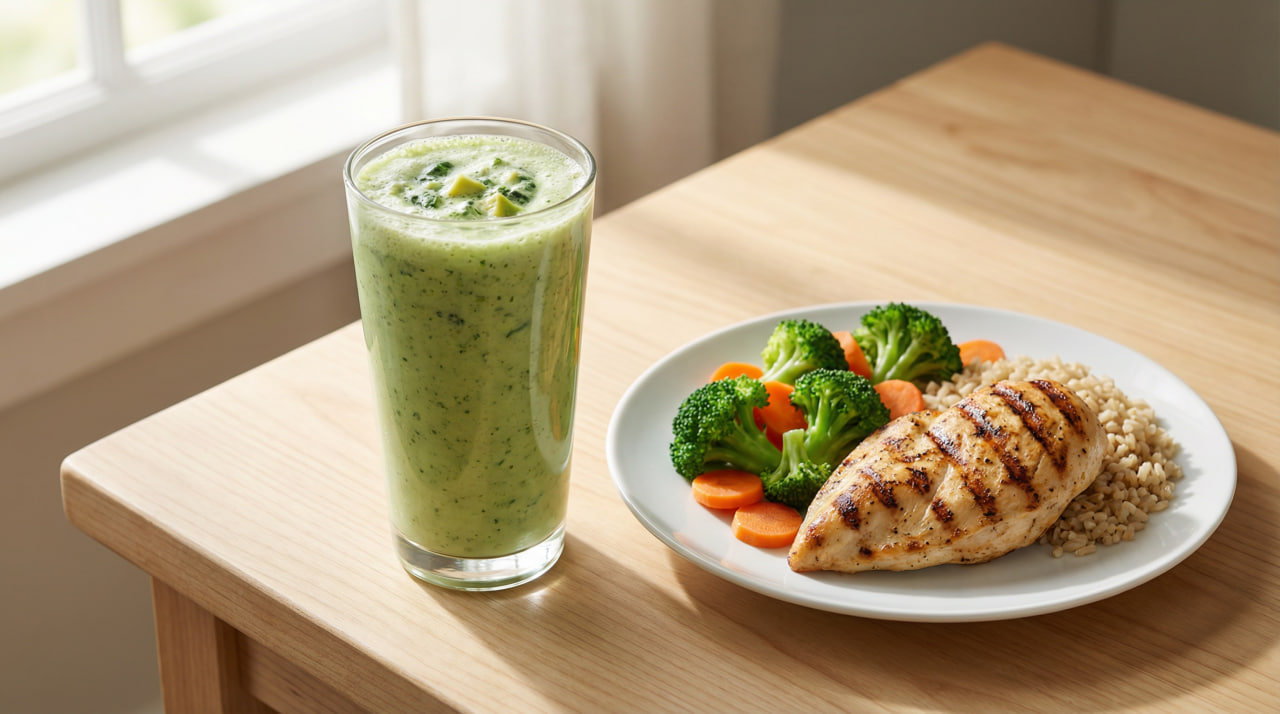
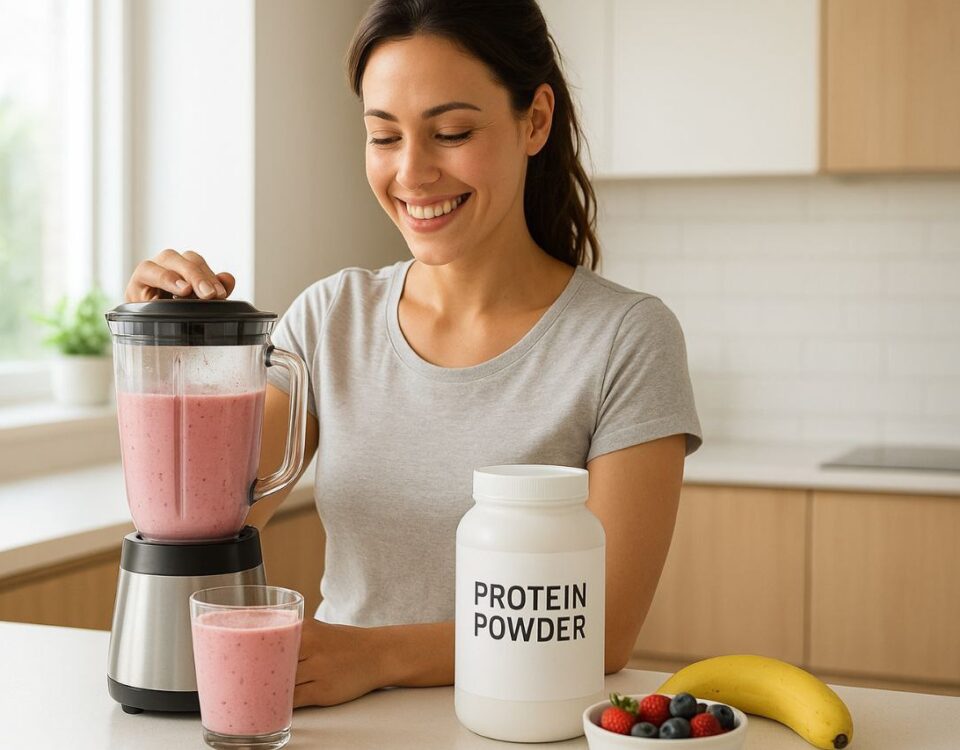
A balanced view: meal replacement shake alongside a whole food meal – both can play a role in health and weight loss
If you’ve ever wondered whether meal replacement shakes can truly compete with whole foods, the answer is nuanced — it’s not about choosing one over the other.
Let’s break it down with science and practical insights.
Key Takeaway (Read This First) ✅
- Whole foods are the gold standard for long-term health and nutrient absorption.
- Shakes are effective tools for convenience, calorie control, and high protein intake.
- The optimal approach is strategic use of both.
What Do We Mean by Shakes and Whole Foods?
Shakes 🥤 Typically include protein powder (whey, pea, soy) plus a liquid base, with optional carbs, fats, fiber, and micronutrients. Examples: protein shakes, meal replacement shakes, or fortified smoothies.
Whole Foods 🥗 Foods in their natural or minimally processed form: meat, fish, eggs, fruits, vegetables, whole grains, legumes, nuts, and seeds.
Nutrient Density & Absorption 🧬
Whole Foods Have the Advantage Whole foods provide natural vitamins, minerals, phytonutrients, and a complex food matrix that improves digestion and absorption. Research shows nutrients from whole foods are often better utilized than isolated or fortified forms Nutrient bioavailability from whole foods vs. supplements.
Shakes Are Efficient but Limited High-quality shakes deliver precise macros and can be fortified with vitamins/minerals. They excel at meeting protein targets quickly, but they lack the synergistic compounds found in whole foods.
Satiety & Hunger Control 🍽️
Whole Foods Promote Greater Satiety Chewing, slower digestion, and greater gastric distension trigger stronger satiety hormones like GLP-1 and PYY Dietary protein and satiety hormones.
Example: 200 calories of chicken + vegetables usually satisfies more than a 200-calorie shake.
Shakes Can Be Effective When Formulated Properly High-protein, high-fiber shakes reduce hunger. Studies show they improve satiety and lower overall calorie intake when used strategically Meal replacements and satiety.
Warning: Low-calorie, low-protein shakes often increase later snacking. 🚨
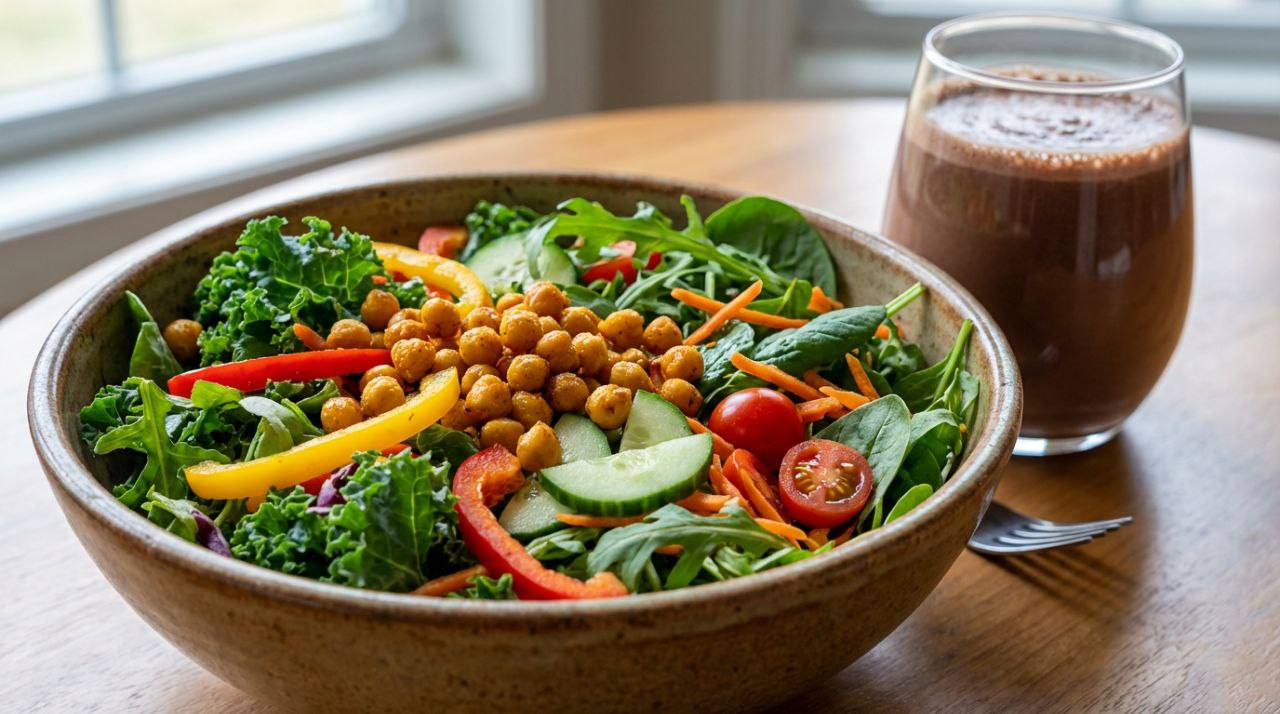
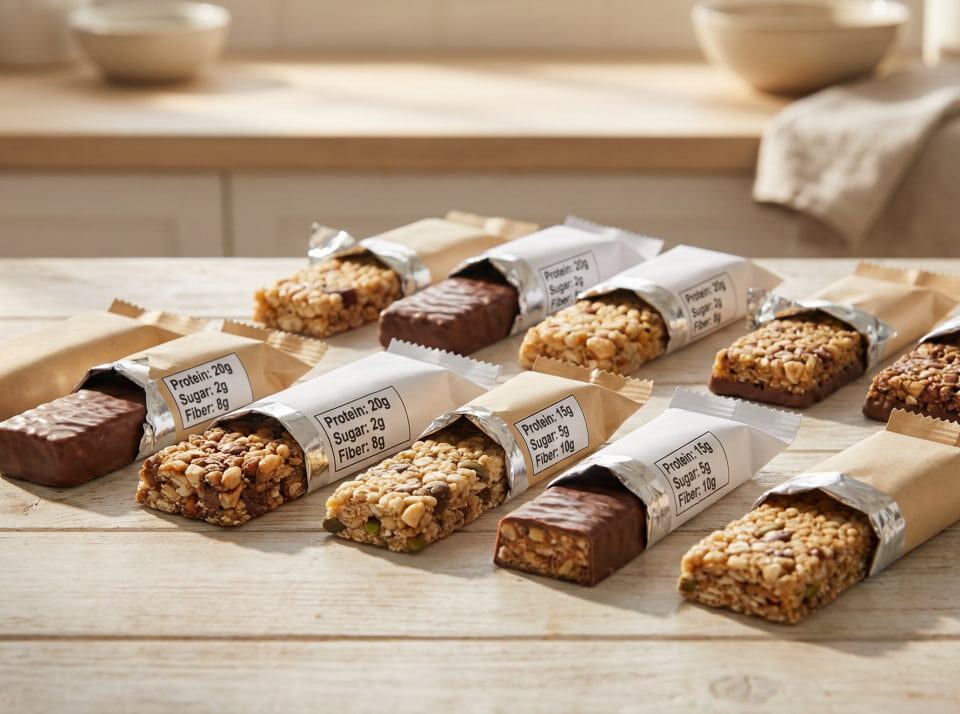
Visualizing fullness: a nutrient-dense whole food salad vs. a protein shake – both satisfying in different ways
Weight Loss Outcomes ⚖️
Short-Term Advantage: Shakes Meal replacement shakes often lead to greater initial weight loss due to built-in portion control and calorie precision Meta-analysis of meal replacements for weight loss.
Long-Term Success: Whole Foods Sustainability depends on habits. Whole foods support portion awareness and variety, leading to better long-term adherence.
Muscle Preservation & Protein Quality 💪
Shakes Provide Precision Easy to hit 20–40 g protein per serving and leucine thresholds for muscle protein synthesis. Whey protein has strong evidence for preserving lean mass during deficits Whey protein and muscle retention.
Whole Foods Offer Broader Support Provide zinc, iron, creatine (from meat), and other cofactors for an optimal anabolic environment.
Best practice: Use shakes to supplement protein, not replace all protein-rich whole-food meals.
Digestion & Gut Health 🦠
Whole Foods Support Microbiome Diversity Varied fiber sources feed beneficial bacteria. Higher dietary diversity is linked to better gut health and metabolic outcomes Dietary diversity and gut microbiota.
Shakes: Neutral to Problematic Clean shakes with real fiber digest well. Those with artificial sweeteners, heavy gums, or excessive fortification may cause bloating or GI issues in sensitive individuals.
Convenience & Consistency ⏱️
Shakes Excel Here Ideal for busy schedules, travel, appetite control, and post-workout nutrition.
Whole Foods Require Planning Cooking, storage, and time — but beneficial for long-term health.
A consistent approach, even if imperfect, outperforms an ideal plan that isn’t followed. 👍
Cost Comparison 💸
Whole foods can be cheaper when cooked at home. Shakes cost more per serving but save time.
Smart strategy: Use shakes selectively (1 meal/day) and rely on whole foods for the rest.
Shakes vs. Whole Foods — Quick Comparison 📊

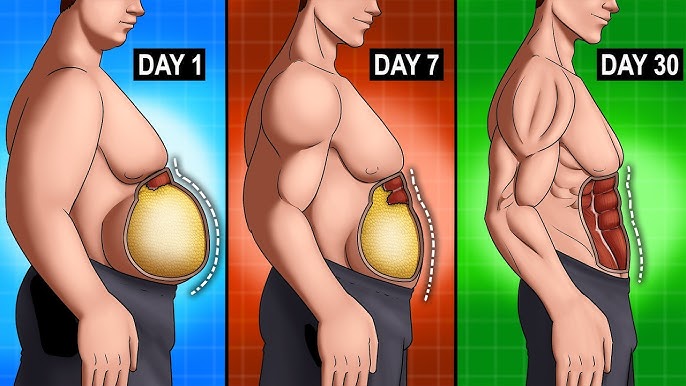
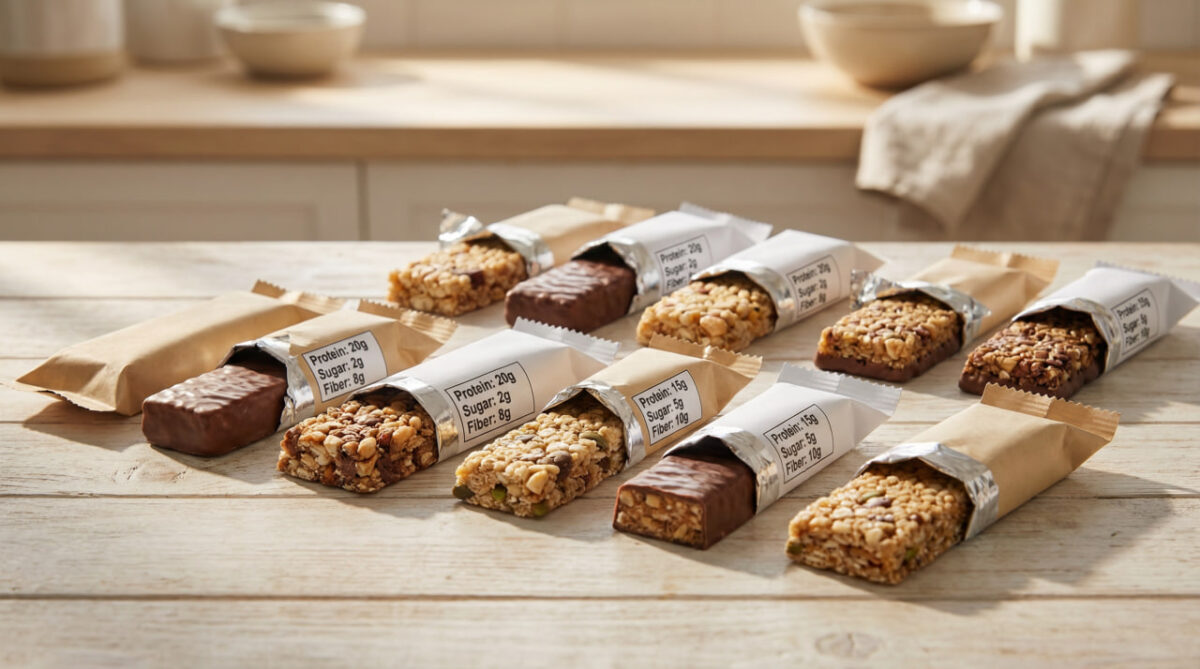
Shakes for convenience, whole foods for foundation – the smart way to combine both
| Category | Shakes 🥤 | Whole Foods 🥗 |
|---|---|---|
| Nutrient diversity | Moderate (fortified) | High (natural matrix) |
| Satiety | Medium–High (if well-formulated) | High |
| Convenience | Very high | Low–Medium |
| Protein precision | Excellent | Variable |
| Gut health | Depends on formula | Excellent |
| Long-term sustainability | Medium | High |
Who Should Use More Shakes? 🎯
Shakes may be suitable if you:
- Struggle to hit protein goals
- Have chaotic schedules
- Are in aggressive fat-loss phases
- Need quick post-workout nutrition
Whole foods should dominate if you:
- Have time to cook
- Prioritize gut health and micronutrients
- Focus on lifelong habits
Common Mistakes to Avoid 🚨
- Replacing all meals with shakes long-term
- Choosing shakes based only on taste or marketing
- Ignoring fiber/fat content in shakes
- Assuming all “natural” shakes are balanced
FAQ — Real Questions People Ask ❓
Are shakes as healthy as whole foods? No — they’re useful tools but don’t fully replicate whole-food benefits.
Can I live on shakes alone? Short-term possible, long-term not recommended due to nutrient gaps and sustainability.
Are shakes processed foods? Yes — but processing level varies. Quality matters more than the label.
What’s the ideal balance? Most people benefit from 1 shake + 2 whole-food meals per day.
Do shakes cause muscle loss? Not if high-protein and used with resistance training — they can help preserve muscle.
Final Verdict: It’s Not Either/Or — It’s Both 🔥
Nutrition isn’t about extremes. Whole foods build the foundation for health. Shakes fill the gaps for convenience and precision.
Strategic integration of both supports sustainable results in health, weight management, and performance.

The smart balance: a protein shake + whole food meal prep – ready for a busy day
Which do you rely on more — shakes or whole foods? Share your experience in the comments below! 👇