









Best Protein Sources Without Supplements: The Complete Whole-Food Guide 🥗
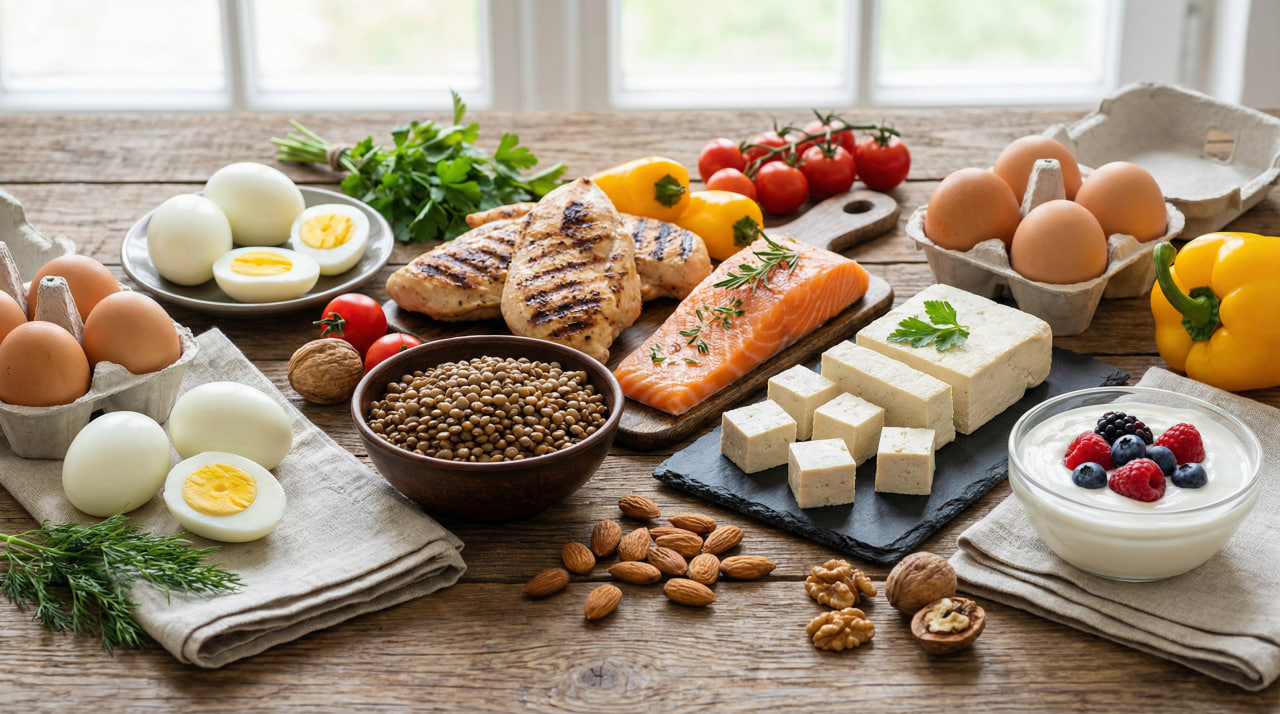
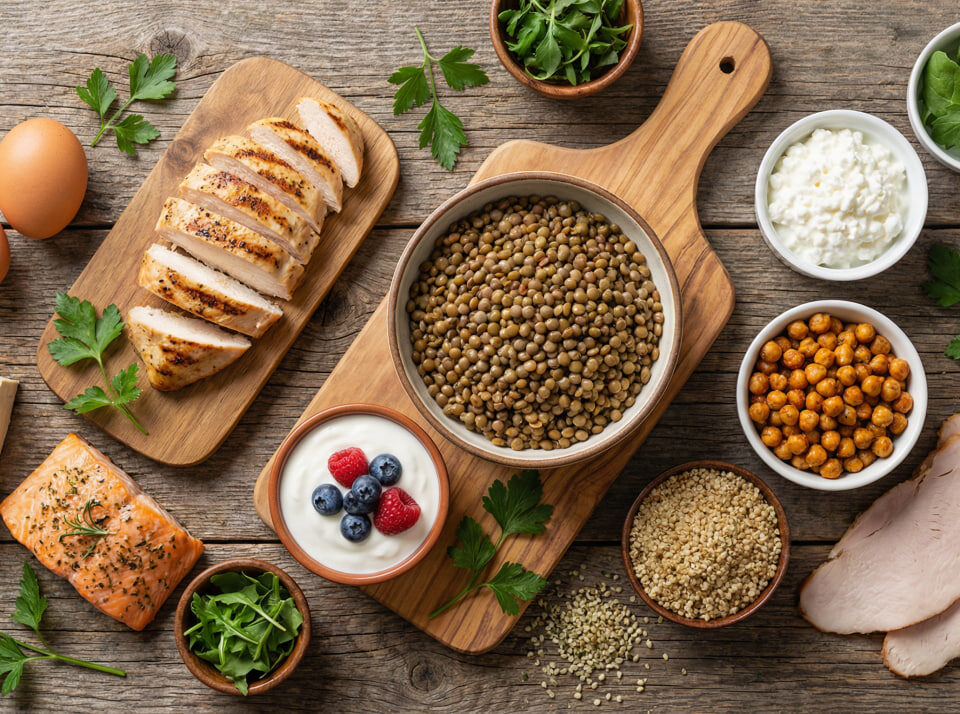
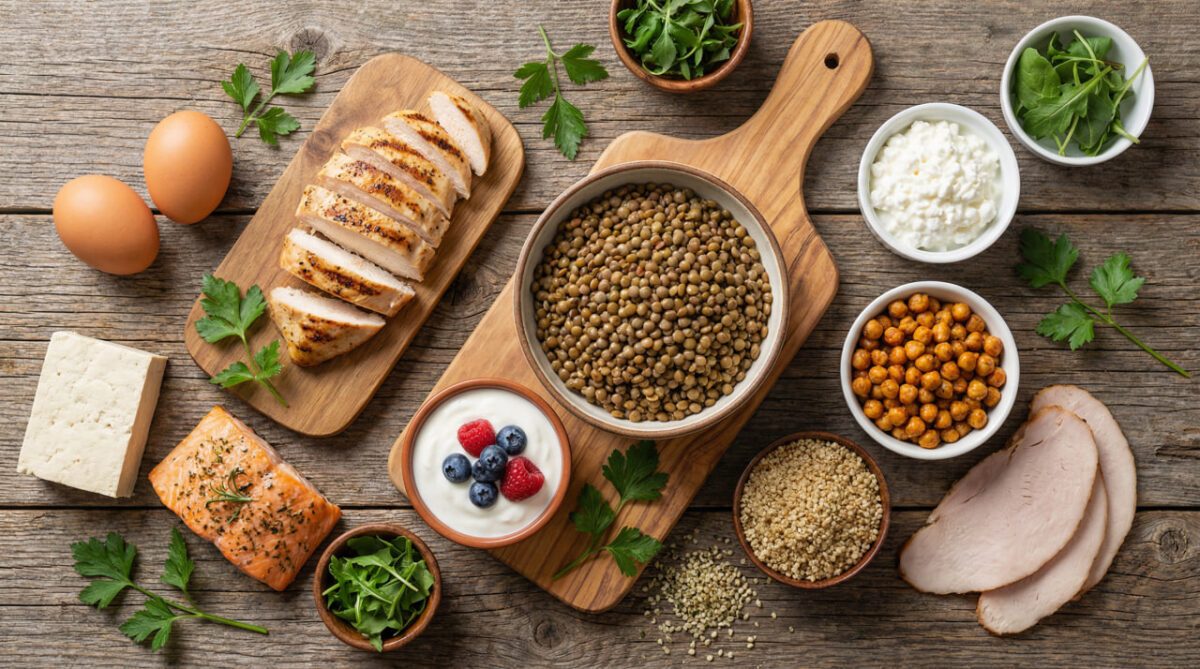
A variety of high-quality whole-food protein sources – from eggs and poultry to legumes and soy – proving you don’t need supplements to meet your protein needs.
Meeting your protein needs doesn’t require powders, bars, or supplements. With the right food choices, whole-food protein sources can fully support muscle health, metabolism, and long-term wellness—often more effectively than processed alternatives.
This pillar guide explores the best protein sources without supplements, realistic portion sizes, timing strategies, dietary limitations, budget considerations, and sustainability—based on current nutritional science.
Why Whole-Food Protein Still Matters 💡
Protein plays a central role in:
-
Muscle maintenance and repair
-
Hormone and enzyme production
-
Appetite regulation and metabolic health
Unlike supplements, whole foods deliver protein alongside fiber, micronutrients, and bioactive compounds, which improves satiety, digestion, and overall nutrient absorption.
How Much Protein Do You Actually Need? 📊
Current evidence-based recommendations suggest:
-
General adults: ~0.8 g/kg/day
-
Physically active individuals: ~1.0–1.4 g/kg/day
-
Resistance training / muscle-focused goals: ~1.2–2.0 g/kg/day
-
Older adults: ~1.2–1.5 g/kg/day
For most people, a range of 1.0–1.6 g/kg/day is achievable through food alone when meals are well distributed across the day.
Comparing the Best Whole-Food Protein Sources 📋
| Source | Serving | Protein | Protein / 100 kcal | Cost Efficiency |
|---|---|---|---|---|
| Chicken breast | 100g cooked | ~26g | ~18g | High |
| Lentils | 1 cup cooked | ~18g | ~7g | Very High |
| Greek yogurt | 170g | ~17g | ~10g | High |
| Eggs | 2 large | ~12g | ~8g | High |
| Tofu | 150g | ~20g | ~11g | Medium |
This comparison highlights that protein density, calories, and cost all matter—not just total grams.
High-Quality Animal-Based Protein Sources 🍳
Eggs
-
~6–7 g protein per large egg
-
Typical serving: 2–3 eggs
Eggs provide complete protein plus choline and fat-soluble vitamins.
Dairy (Yogurt, Cottage Cheese, Milk)
-
Greek yogurt (170 g): ~15–18 g protein
-
Cottage cheese (½ cup): ~12–14 g protein
Dairy proteins are highly digestible and support bone health via calcium.
⚠️ Note: Unsuitable for individuals with milk protein allergy or severe lactose intolerance.
Poultry, Meat & Fish
-
Lean poultry/meat (100 g cooked): ~22–27 g protein
-
Fish (100 g): ~20–25 g protein
These sources provide iron, zinc, and vitamin B12—nutrients harder to obtain from plants.

Sliced grilled chicken breast served with colorful steamed vegetables – a perfect example of a bioavailable, nutrient-dense animal-based protein meal that supports muscle health and satiety.
Plant-Based Protein Sources (and Their Limits) 🌱
Legumes
-
Lentils, beans, chickpeas: ~13–18 g protein per cup
High in fiber and affordable, but incomplete on their own.
Soy-Based Whole Foods
-
Tofu, tempeh, edamame: ~17–20 g protein per serving
Soy is one of the few complete plant proteins, making it central to vegetarian diets.
⚠️ Soy allergy consideration applies.
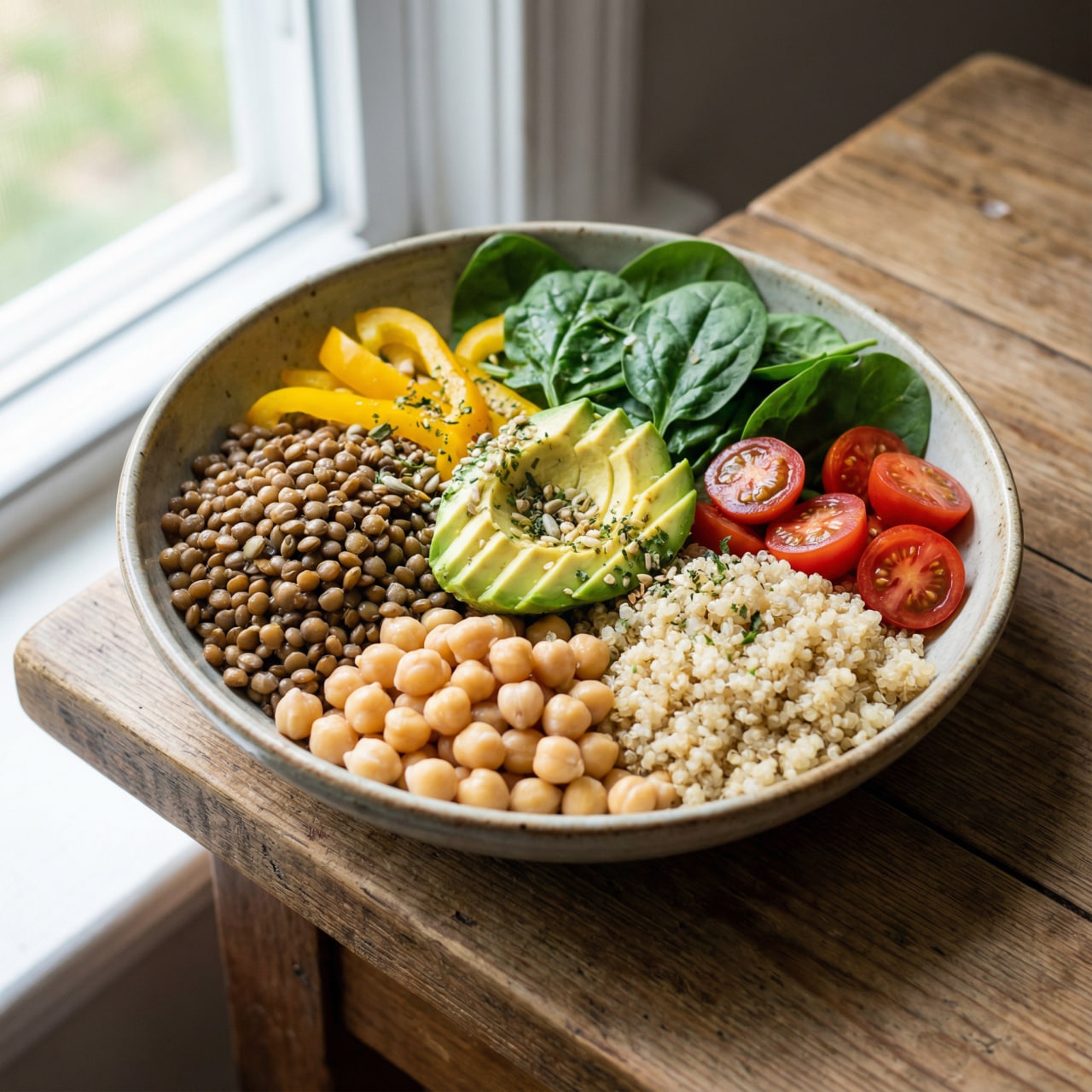
A nutrient-packed vegan bowl featuring lentils, chickpeas, quinoa, fresh spinach, avocado, cherry tomatoes, and bell peppers – proof that plant-based diets can deliver complete, satisfying protein with incredible variety.
🌿 Practical Tips for Plant-Based Eaters
Improve iron absorption by:
-
Pairing meals with vitamin C sources
-
Soaking and sprouting legumes
-
Avoiding tea/coffee around meals
Complete protein combinations (same meal):
-
Rice + beans
-
Whole-grain bread + hummus
-
Quinoa + vegetables + chickpeas
Plant-based diets can meet protein needs—but planning is essential.
⏰ Protein Timing for Optimal Results
Post-Workout:
-
0.3–0.5 g protein per kg body weight
-
Within ~2 hours after exercise
Example: 70 kg → ~21–35 g protein
Before Sleep:
-
20–40 g slow-digesting protein
-
Sources: cottage cheese, Greek yogurt
Daily Distribution:
-
Protein every 3–4 hours
-
Minimum ~20 g per main meal
Timing improves utilization—not total intake alone.
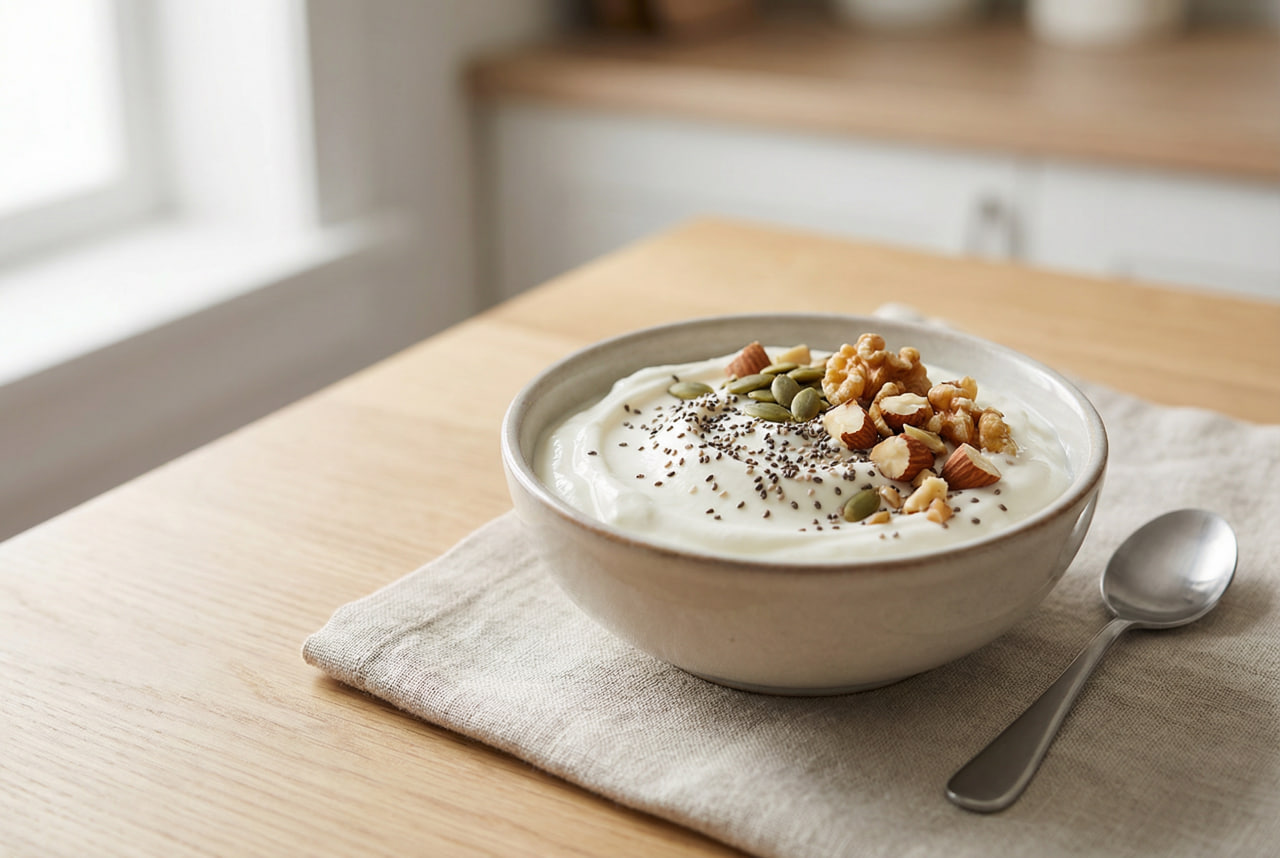
A creamy bowl of plain Greek yogurt topped with almonds, walnuts, pumpkin seeds, and chia seeds – an easy, budget-friendly way to hit 20–25g of protein anytime.
🔥 Cooking Methods & Protein Preservation
Best (retain ~90–95%):
-
Steaming
-
Gentle boiling
-
Slow cooking
Moderate (~80–85%):
-
Grilling
-
Stir-frying
Least ideal (~60–70%):
-
Deep frying
-
High-temperature charring
Cooking affects digestibility more than protein quantity.
❌ Common Protein Mistakes to Avoid
-
Overcooking: Excess heat reduces digestibility
-
Lack of variety: Single sources create amino acid gaps
-
Poor chewing: Digestion starts in the mouth
Small habits have cumulative effects.
💰 Quality Protein on Any Budget
Low Budget:
-
Eggs
-
Lentils & beans
-
Canned tuna
Medium Budget:
-
Chicken breast
-
Cottage cheese
-
Frozen fish
Higher Budget:
-
Grass-fed beef
-
Wild-caught fish
-
Organic dairy
Protein adequacy is not dependent on expensive foods.
🗓️ Simple Weekly Protein Rotation
-
Monday: Chicken + quinoa
-
Tuesday: Fish + vegetables
-
Wednesday: Lentils + rice
-
Thursday: Eggs/dairy-based meal
-
Friday: Lean red meat
Rotation improves nutrient coverage and adherence.
🌍 Environmental Perspective
-
Lowest impact: legumes, grains, soy
-
Moderate: eggs, poultry, dairy
-
Higher: red meat
Balanced diets can support both health and sustainability.
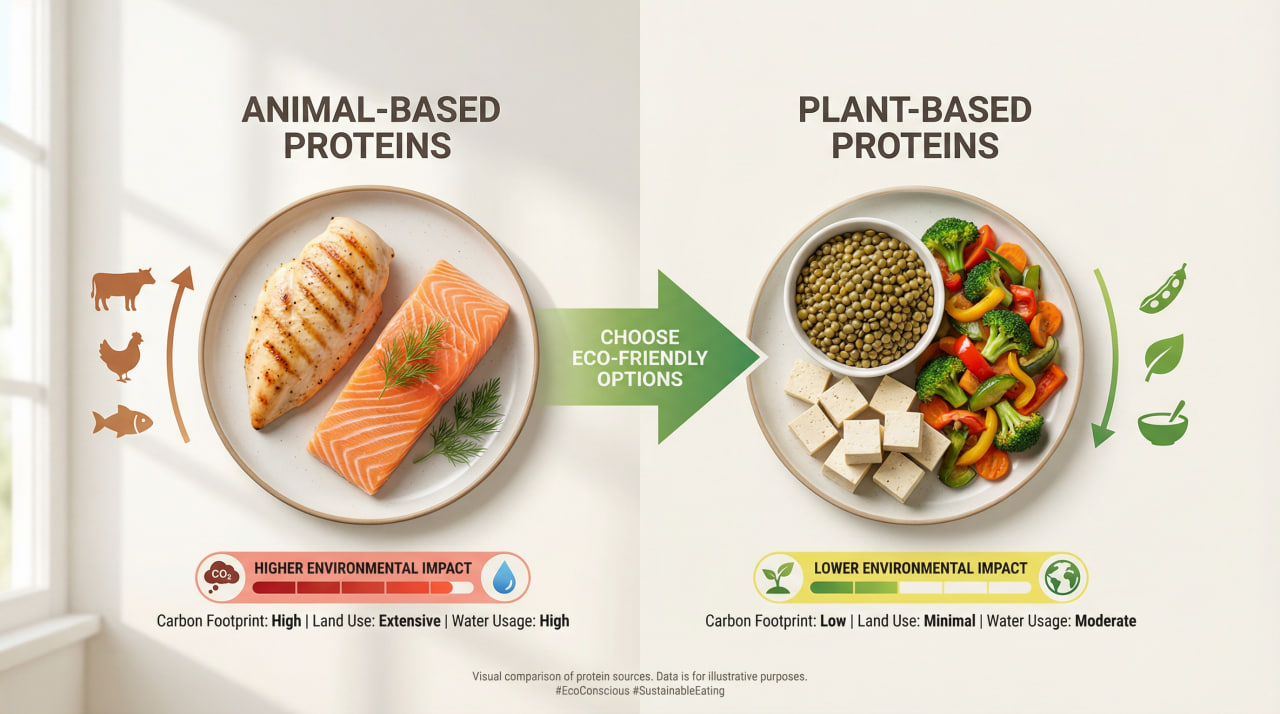
Choosing more plant-based proteins like lentils, chickpeas, and tofu can significantly reduce carbon footprint, land use, and water consumption compared to animal sources – a win for both health and the planet
🎯 Your 4-Week Whole-Food Protein Action Plan
Week 1: Track protein at each meal
Week 2: Add one new plant protein source
Week 3: Apply post-workout timing
Week 4: Optimize cooking methods
✨ 30-Day Challenge: Meet protein needs using whole foods only.
Final Takeaway 🧠
Whole-food protein sources are effective, affordable, and scientifically sound.
With proper portions, timing, and variety, supplements are optional—not essential.
This approach supports muscle health, metabolic balance, and long-term sustainability.