





Common Protein Snacking Mistakes That Sabotage Results (And How to Fix Them) ⚠️
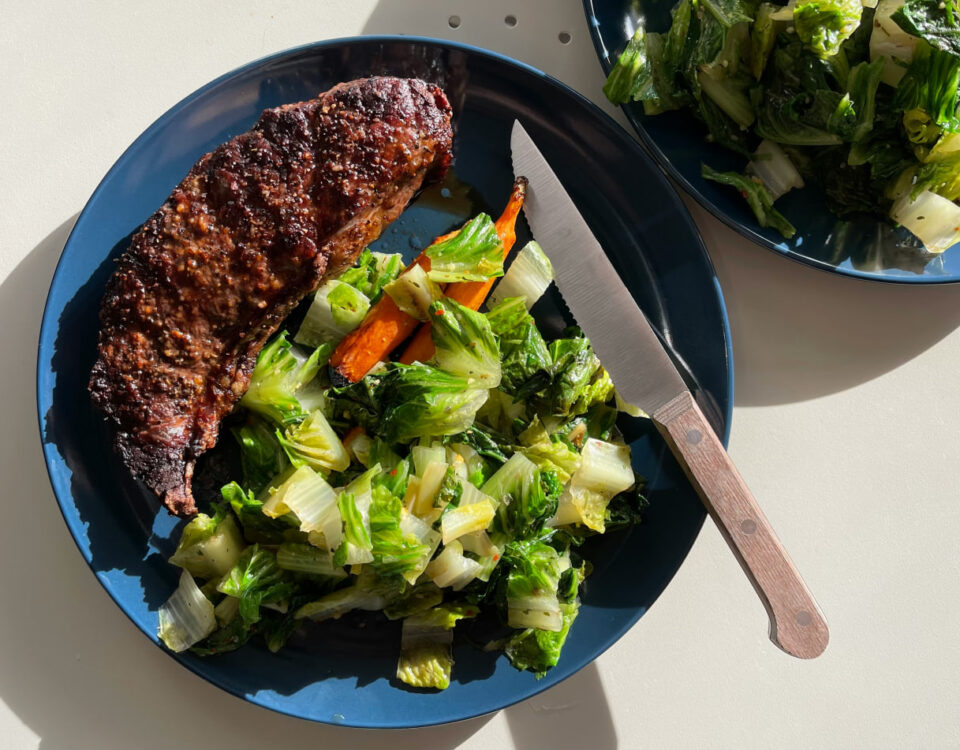
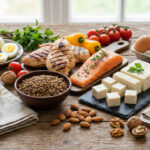
Real-food protein snacks that combine protein with fiber and healthy fats – the key to lasting fullness and avoiding common snacking mistakes
Protein snacks can be powerful tools for managing hunger, supporting muscle maintenance, and improving dietary consistency. However, when used incorrectly, they often backfire—leading to energy crashes, overeating, digestive discomfort, or stalled progress.
This article breaks down the most common protein snacking mistakes, explains why they happen from a physiological perspective, and shows how to correct them using evidence-based nutrition principles.
Why Protein Snacks Matter—When Used Correctly 🧠
Protein plays several critical roles in the body:
-
Supports muscle repair and maintenance
-
Increases satiety by influencing appetite hormones
-
Slows digestion when combined with fiber and fat
-
Helps stabilize blood glucose between meals
Research consistently shows that balanced protein-containing snacks can reduce hunger and improve dietary control later in the day. Problems arise not from protein itself—but from how it’s chosen, combined, and timed.
Mistake #1: Focusing Only on Protein Numbers 📊
One of the most common errors is choosing snacks solely based on grams of protein.
Why this backfires:
-
Isolated protein digests quickly on its own
-
Lack of fiber and fat leads to short-lived fullness
-
Hunger often returns within 60–90 minutes
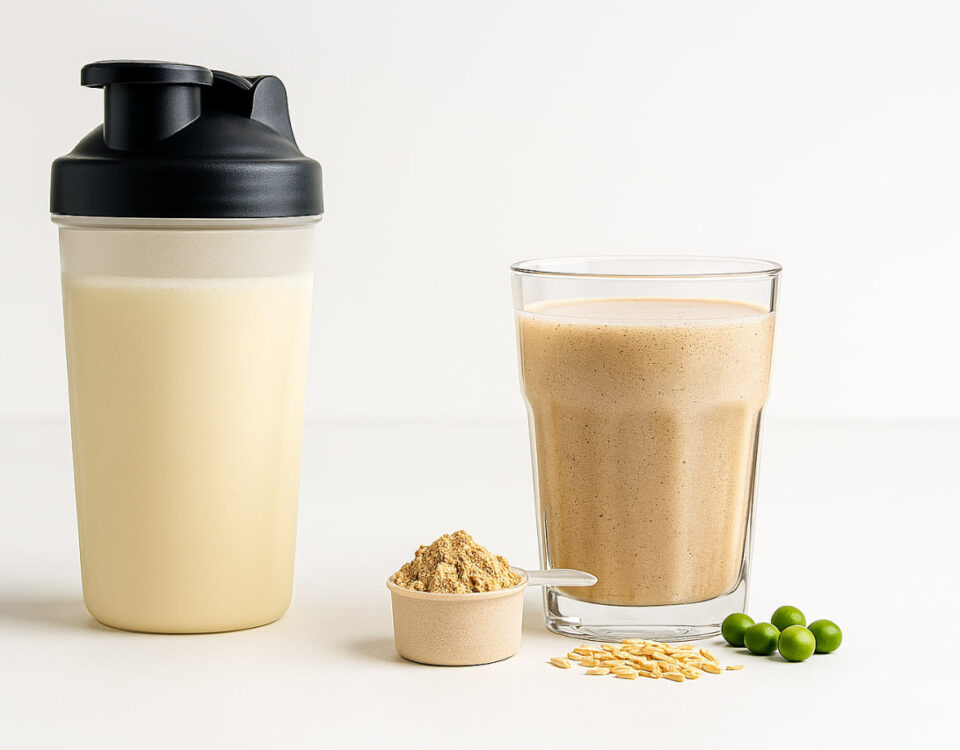
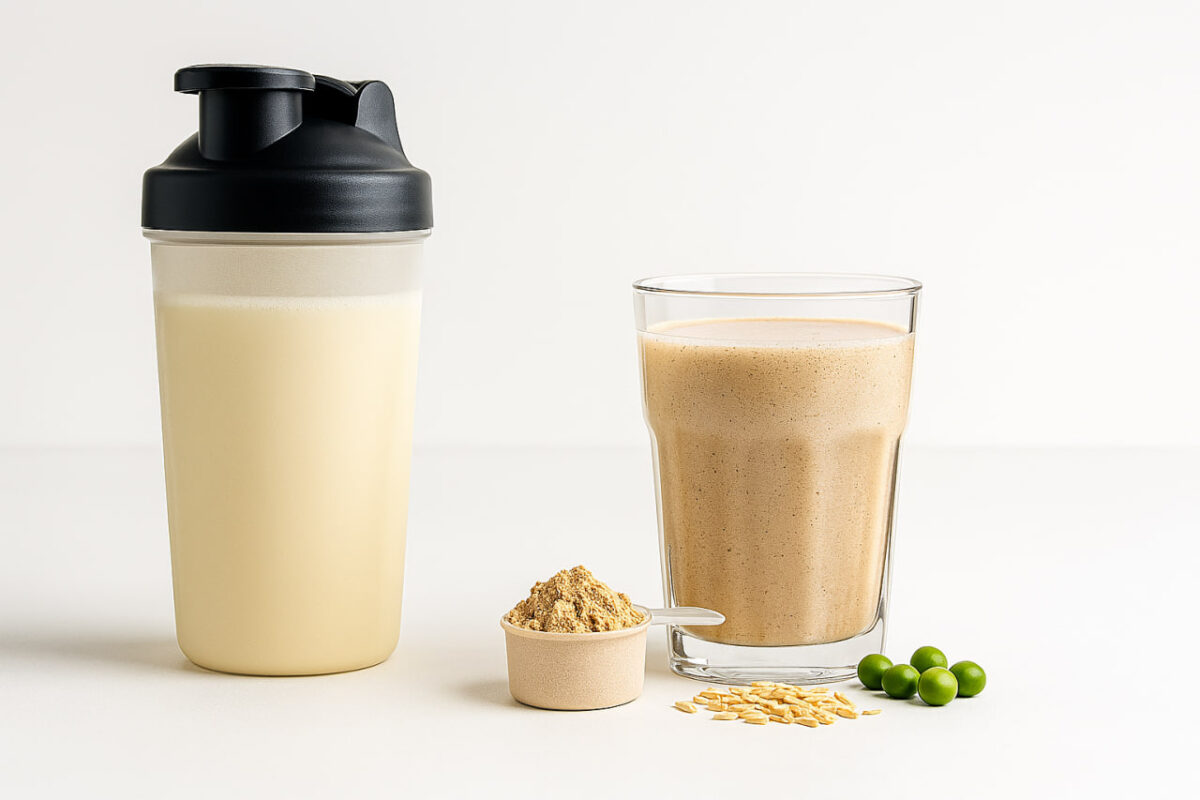
For example, a snack built only around protein powder mixed with water may technically be “high-protein,” but it often fails to provide sustained energy or satisfaction.
Smarter approach:
Protein works best in context, not isolation.
-
Pair protein with fiber (fruit, vegetables, whole grains)
-
Add healthy fats to slow digestion
-
Aim for balanced macronutrients, not just high protein
Balanced combinations consistently outperform protein-only snacks in appetite control research.
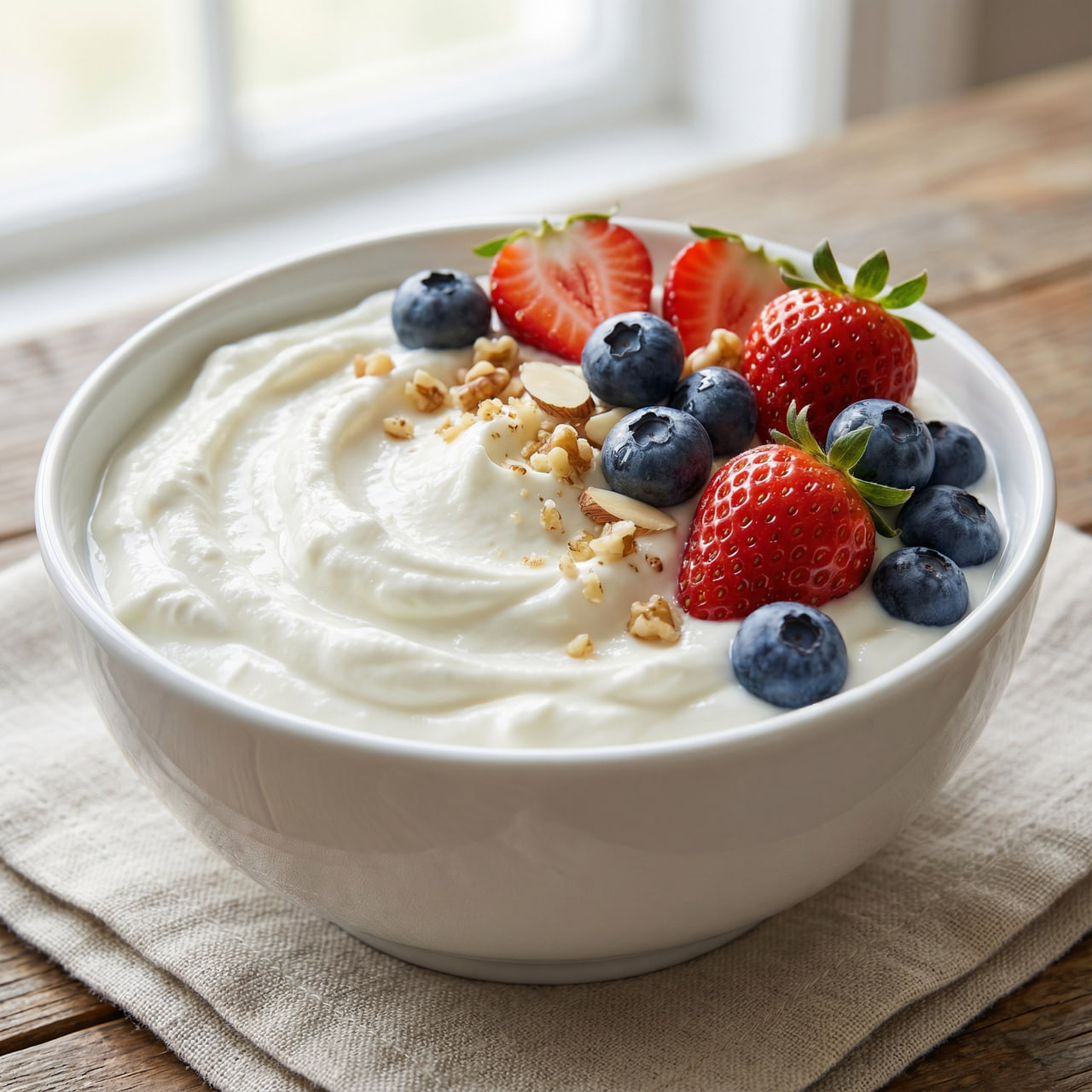
A simple, satisfying protein snack: plain Greek yogurt with fresh berries and nuts for better fullness and steady energy – avoiding the common mistake of protein-only options.
Mistake #2: Skipping Fiber and Complex Carbohydrates 🌾
In an effort to “stay low-carb,” many people remove carbohydrates from snacks entirely.
Why this matters:
-
Fiber slows gastric emptying and prolongs satiety
-
Complex carbs support steady energy delivery
-
Low-fiber snacks can lead to blood sugar dips
A protein snack without fiber may initially feel filling, but it often leads to rebound hunger and increased snacking later.
Better strategy:
Combine protein with fiber-rich carbohydrates.
Examples include:
-
Yogurt with berries
-
Eggs with whole-grain toast
-
Legume-based spreads with vegetables
This combination supports digestive health and more stable appetite regulation.
Mistake #3: Falling for “High-Protein” Marketing 🚨
Many packaged snacks emphasize protein on the front label while hiding key issues in the ingredient list.
Common problems:
-
Highly processed protein isolates
-
Added sugars or refined starches
-
Artificial sweeteners or fillers
-
Poor satiety despite high protein claims
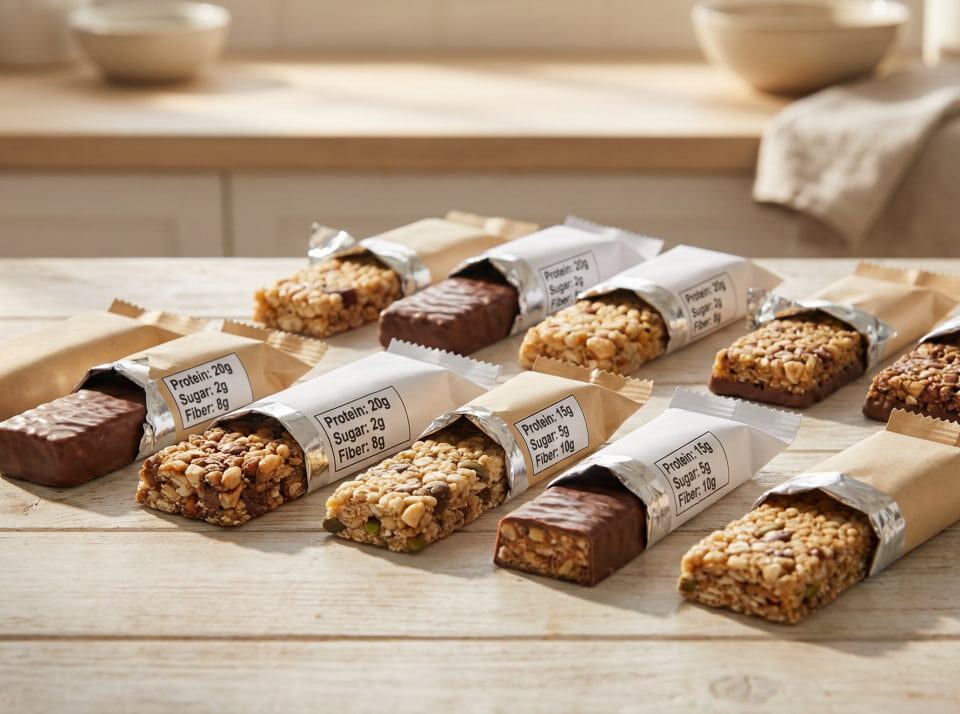
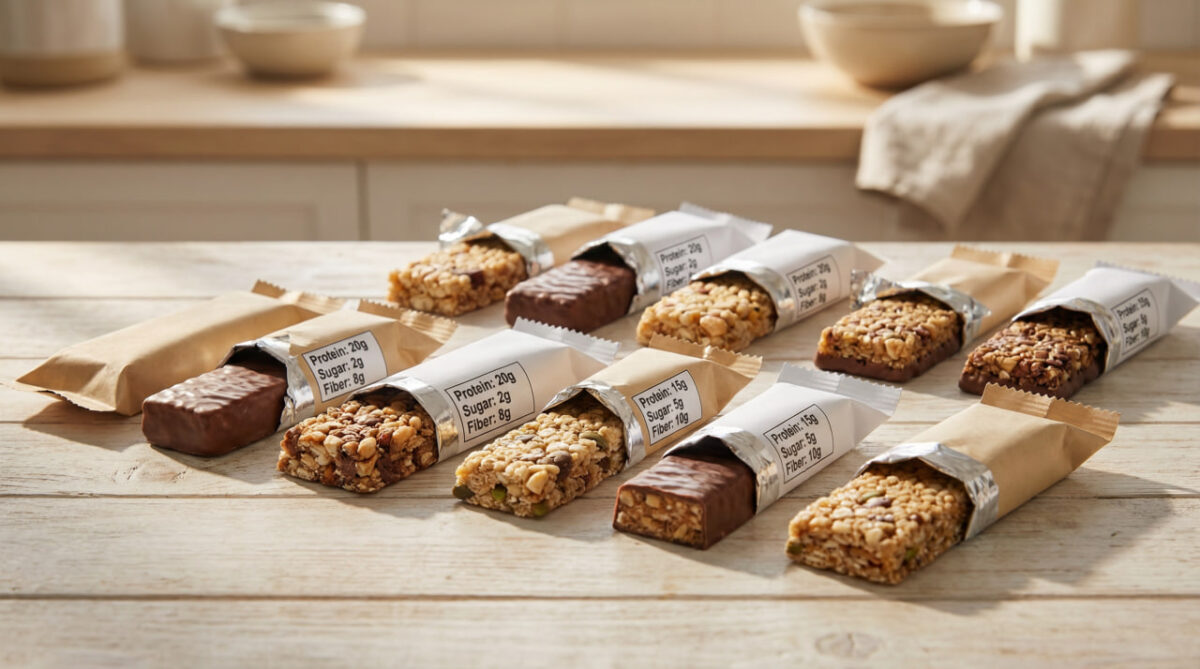
A snack can contain 15–20g of protein and still behave metabolically like a dessert if it lacks fiber or whole-food structure.
What works better:
-
Prioritize ingredient quality, not label claims
-
Favor minimally processed foods
-
Look for recognizable, whole-food components
In practice, simpler foods often deliver better results than engineered “functional” snacks.
Mistake #4: Using Snacks as Meal Replacements 🍽️
Protein snacks are meant to bridge meals, not replace them.
Why this causes problems:
-
Snacks lack the micronutrient diversity of meals
-
Skipping meals can increase total daily intake later
-
Eating patterns become erratic
Over time, relying on snacks instead of meals can disrupt hunger cues and dietary structure.
How to fix it:
-
Use snacks 2–3 hours after meals, not instead of them
-
Keep meals as the nutritional foundation
-
Use snacks to support energy, not compensate for skipped meals
This maintains rhythm and consistency in eating patterns.
Mistake #5: Relying Too Heavily on Ultra-Processed Protein Foods 🧪
Convenience-driven protein bars, shakes, and bites are widely available—but frequent reliance can be counterproductive.
Downsides include:
-
Lower satiety compared to whole foods
-
Faster digestion and less chewing-related fullness
-
Higher cost per gram of usable nutrition
Ultra-processed protein sources often bypass normal digestive signaling that contributes to fullness.
Smarter alternative:
-
Use minimally processed protein foods most of the time
-
Reserve packaged options for true convenience needs
-
Emphasize foods that require chewing and digestion
Whole-food protein sources consistently show better appetite control outcomes.
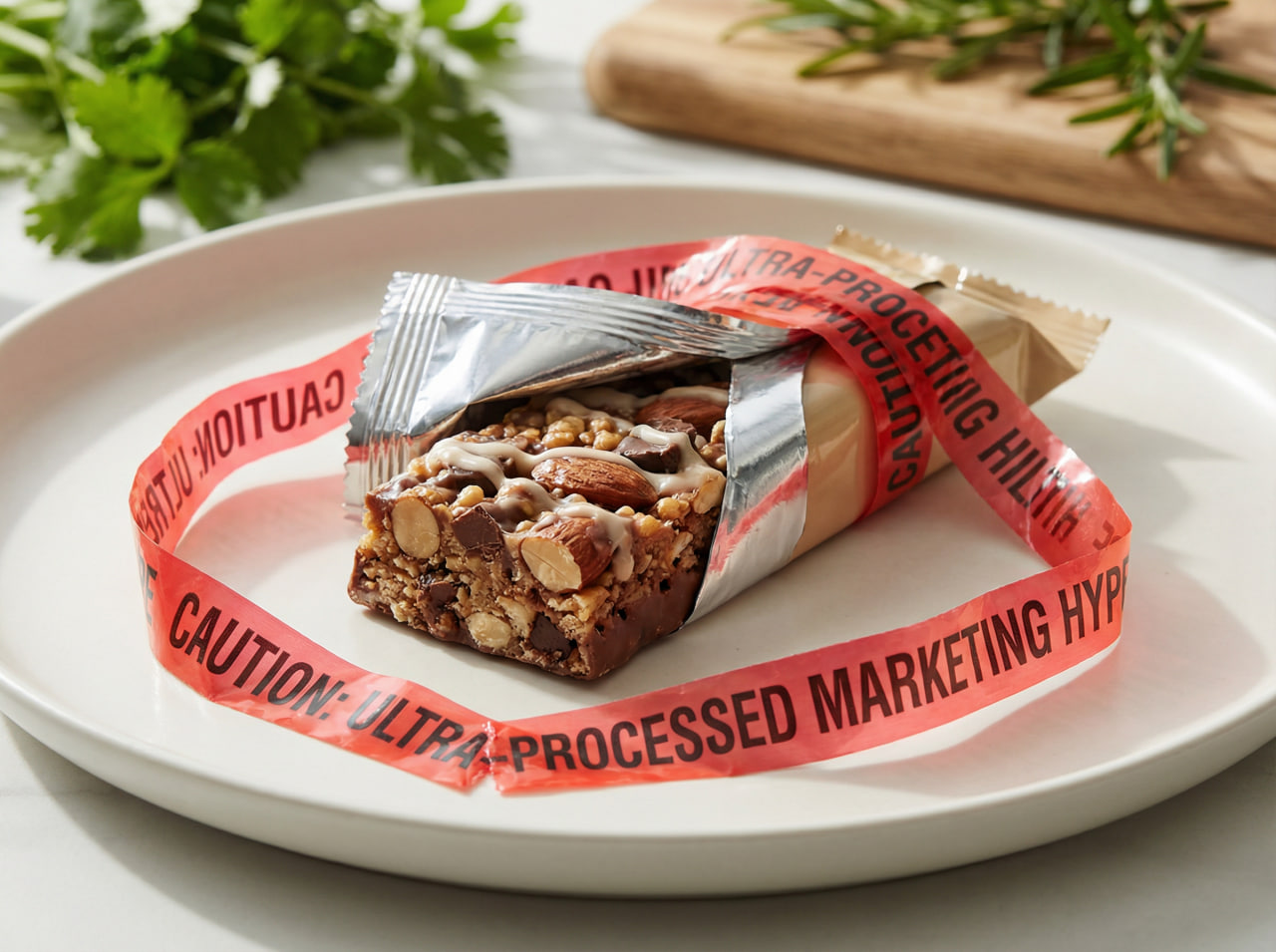
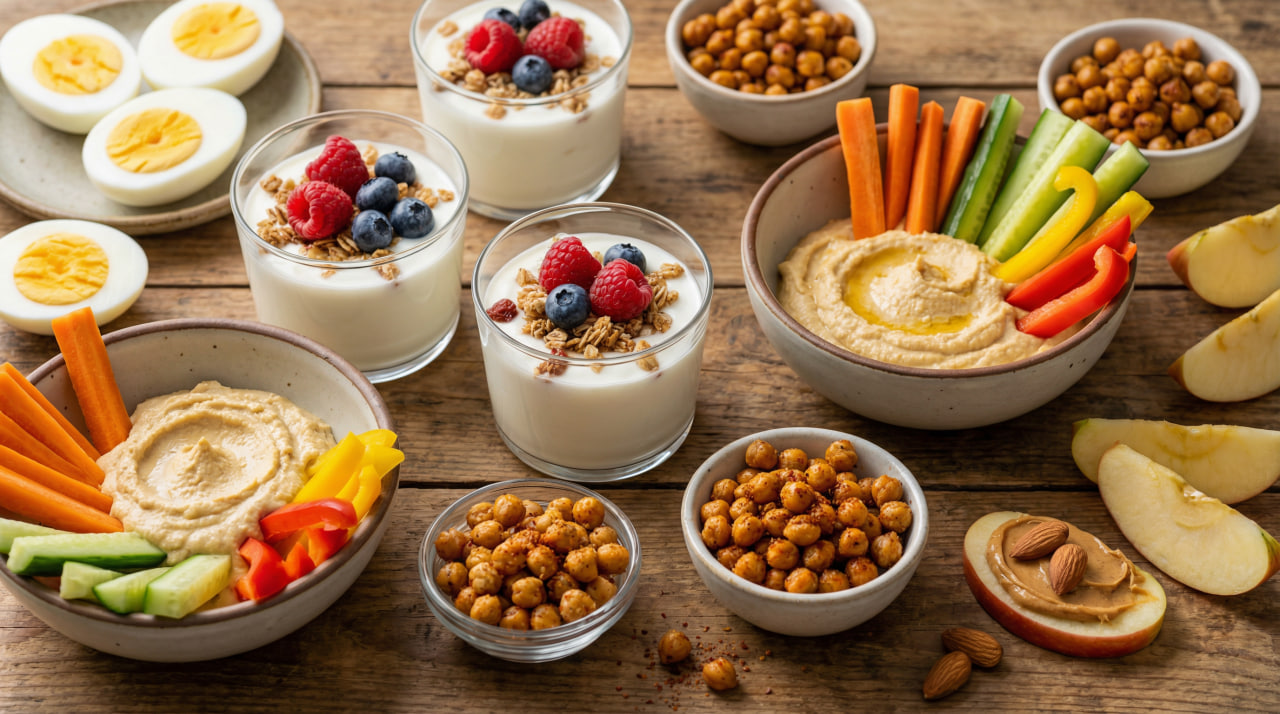
Not all “high-protein” snacks are created equal: this image highlights the common mistake of trusting marketing hype over ingredient quality and real satiety
Mistake #6: Over-Snacking Because It’s “Healthy” ⚖️
Protein carries a “health halo,” which can lead to unconscious overeating.
Why this happens:
-
Protein snacks still contain calories
-
Frequent grazing blunts natural hunger cues
-
Portion sizes are often underestimated
Even nutrient-dense snacks can derail progress if eaten mindlessly or too frequently.
Practical fix:
-
Snack intentionally, not reflexively
-
Space snacks 2–4 hours apart
-
Keep portions aligned with actual hunger
Protein supports appetite control—but it doesn’t override energy balance.
Mistake #7: Ignoring Individual Needs and Digestion 🧩
Not all protein sources work equally well for everyone.
Key differences include:
-
Activity level and muscle mass
-
Digestive tolerance
-
Age-related protein needs
-
Dietary patterns (plant-based vs. omnivorous)
For example, some people tolerate dairy proteins well, while others experience bloating or discomfort.
Better approach:
-
Choose protein sources that digest comfortably
-
Adjust snack size based on activity and goals
-
Combine plant proteins strategically for amino acid balance
Personalization improves consistency and long-term adherence.
Mistake #8: Expecting Protein Snacks to Drive Weight Loss Alone 🔄
Protein snacks support weight management—but they are not a standalone solution.
Reality check:
-
Total dietary pattern matters most
-
Energy balance drives fat loss
-
Consistency outweighs perfection
Using protein snacks strategically works best when aligned with balanced meals and realistic habits.
How These Mistakes Add Up Over a Day 📉
Individually, these mistakes seem small. Combined, they can lead to:
-
Increased total calorie intake
-
Unstable energy levels
-
Frequent hunger despite “high-protein” choices
-
Reduced dietary adherence
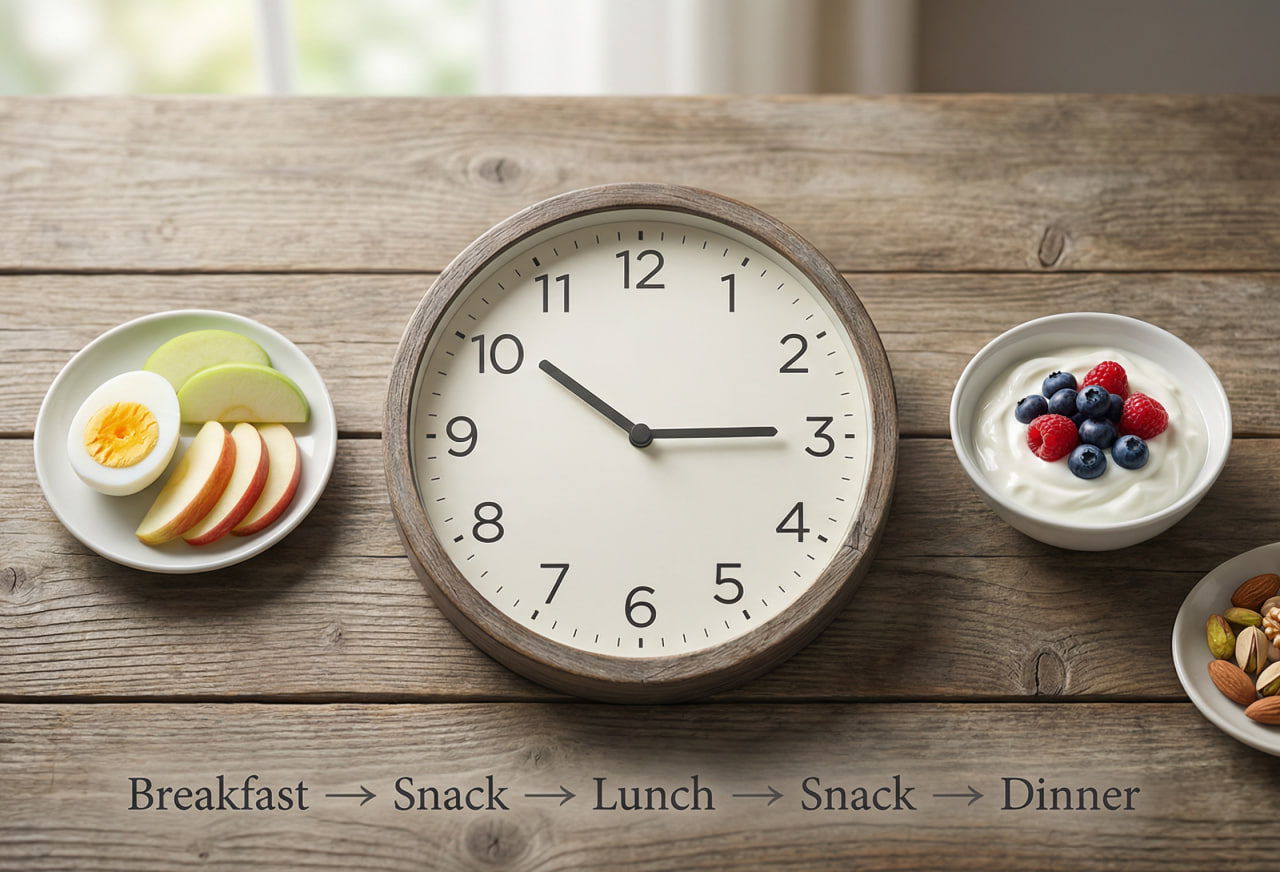
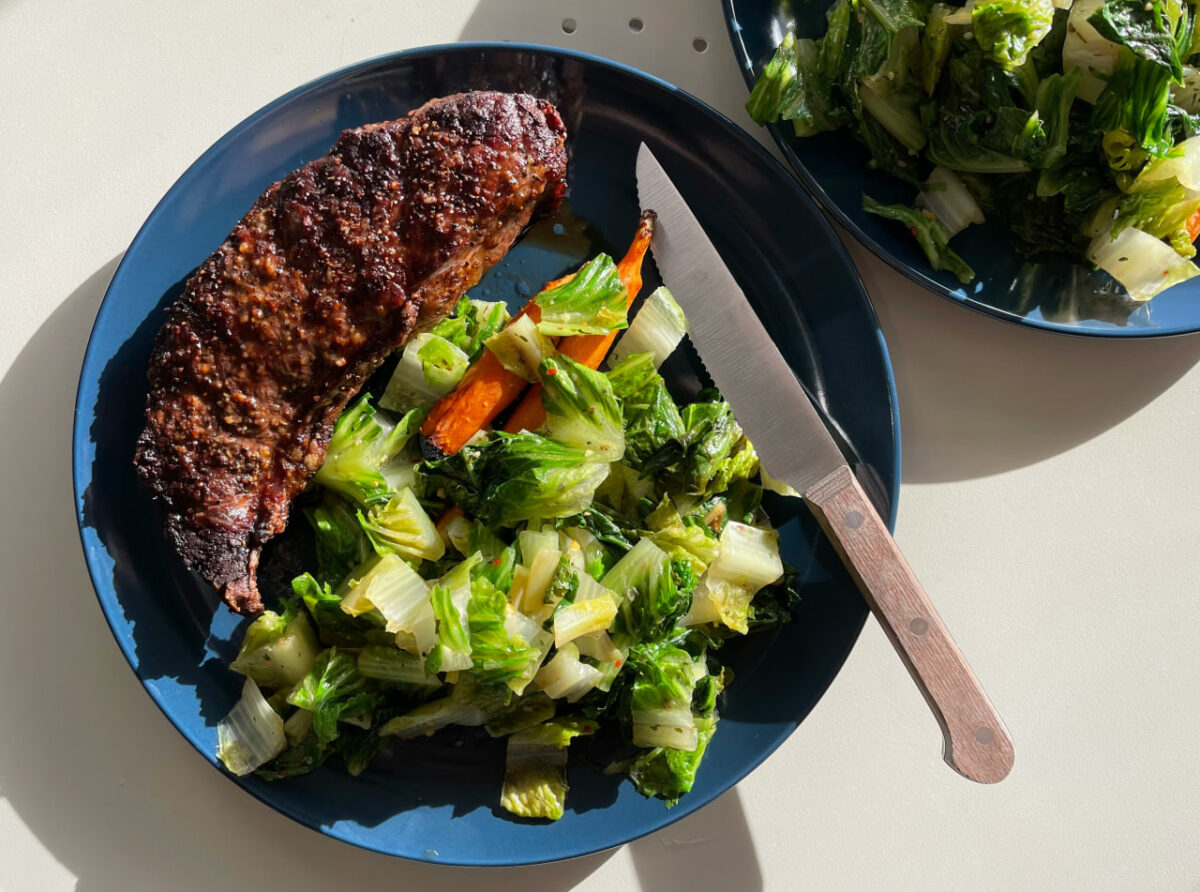
Smart protein snacking means timing it right: use snacks to bridge meals (not replace them) for steady energy and better hunger control throughout the day.
Correcting even two or three of these patterns often produces noticeable improvements in appetite control and energy.
How to Use Protein Snacks Effectively ✅
Evidence-based guidelines:
-
Aim for 10–20g protein per snack for most adults
-
Pair protein with fiber or healthy fats
-
Use snacks to support—not replace—meals
-
Favor whole foods over ultra-processed options
-
Adjust choices based on tolerance and lifestyle
Small structural changes outperform drastic dietary rules.
FAQ — Common Questions About Protein Snacking
Are protein snacks necessary?
No. They’re tools, not requirements. Balanced meals remain the priority.
Can protein snacks reduce hunger?
Yes—when combined with fiber, fats, and proper timing.
Is more protein always better?
No. Adequate intake matters more than excess.
Are plant-based protein snacks effective?
Absolutely, when combined for amino acid completeness and fiber content.
Should protein snacks be eaten daily?
Only if they fit hunger patterns and lifestyle needs.
Final Takeaway: Use Protein Snacks Strategically 🧠
Protein snacks are neither magic nor harmful—they’re context-dependent tools.
When chosen thoughtfully, balanced properly, and timed well, they support energy, appetite control, and consistency. When misused, they quietly undermine progress.
Focus on:
-
Balance over extremes
-
Structure over impulse
-
Consistency over perfection
Done right, protein snacking works with your physiology—not against it.