





Protein Bars: Best & Worst — How to Choose One That Actually Supports Your Goals 🔥
Not all protein bars are created equal. Learn to read labels and pick ones that actually support satiety, muscle maintenance, and fat loss 💪📊
Protein bars can be a powerful tool—or a sneaky setback. Some genuinely help with weight loss and muscle maintenance, while others are basically candy bars with added protein. The difference isn’t marketing hype. It’s the label.
This guide breaks down what makes a protein bar “best” or “worst” using evidence-based criteria and practical insights—so you can choose confidently.
Why Protein Bars Can Help (or Hurt) Your Progress
Used correctly, protein bars can:
- Support satiety and appetite control
- Help you hit daily protein targets
- Prevent impulsive snacking
But when chosen poorly, they can:
- Spike blood sugar
- Add hidden calories
- Stall fat loss
The key is selecting bars that align with your goals, not just taste great.
What Makes a Protein Bar “Good” or “Bad”?
Forget buzzwords like “natural” or “keto-friendly.” Judge a bar by its macros, ingredients, and real-world effects on hunger and energy.
Best Protein Bars: The Evidence-Based Criteria ✅
-
Adequate Protein (15–25g) Protein is the core of a quality bar.
- Promotes satiety and muscle retention
- Helps control appetite during calorie restriction
Studies show higher-protein snacks significantly improve fullness and reduce calorie intake at the next meal compared to low-protein options.
-
Controlled Sugar (≤7g) Excess sugar undermines the benefits. Look for:
- ≤7g total sugar
- No syrups (glucose, rice, corn) as primary ingredients
High-sugar bars can cause rapid blood sugar fluctuations, leading to rebound hunger shortly after eating.
🚨 Red flag: Sugar content higher than protein.
-
Meaningful Fiber (≥5g) Fiber slows digestion and enhances satiety. Benefits include:
- Better appetite control
- Improved gut health
- Reduced blood sugar spikes
Prefer fiber from whole-food sources (oats, nuts, seeds). Note: Some added fibers like inulin or chicory root can cause bloating or digestive discomfort in sensitive individuals when consumed in large amounts.
-
Quality Fat Sources Healthy fats improve texture and prolong fullness. Prefer:
- Nuts and seeds
- Nut butters
- Coconut or MCT oil
Avoid:
- Hydrogenated oils
- Excessive refined seed oils (e.g., soybean, sunflower) as primary sources—these high omega-6 fats may contribute to inflammation when overconsumed relative to omega-3 intake.
-
Short, Transparent Ingredient List Rule of thumb: If you can’t recognize most ingredients, pass. Green lights:
- Whole protein sources (whey, pea, egg)
- Nuts, seeds, oats
- Natural sweeteners (stevia, monk fruit)
👎 Red flags:
- Artificial colors or flavors
- Excessive gums and fillers
- “Proprietary blends” that hide actual amounts
Worst Protein Bars: Common Deal-Breakers ❌
These bars often share the same issues:
- More sugar than protein
- Ultra-low protein (≤10g)
- Long lists of additives and fillers
- Candy-bar macros disguised as healthy (high sugar + low fiber)
Best vs. Worst: Quick Comparison Table 📊
| Category | Best (Goal-Supportive) | Worst (Not Supportive) |
|---|---|---|
| Protein | 15–25g high-quality | ≤10–12g |
| Sugar | ≤7g | >10–15g |
| Fiber | ≥5g | ≤2g |
| Ingredients | Whole-food based | Syrups, fillers, additives |
| Typical Satiety | 3–4 hours | Hungry within 1 hour |
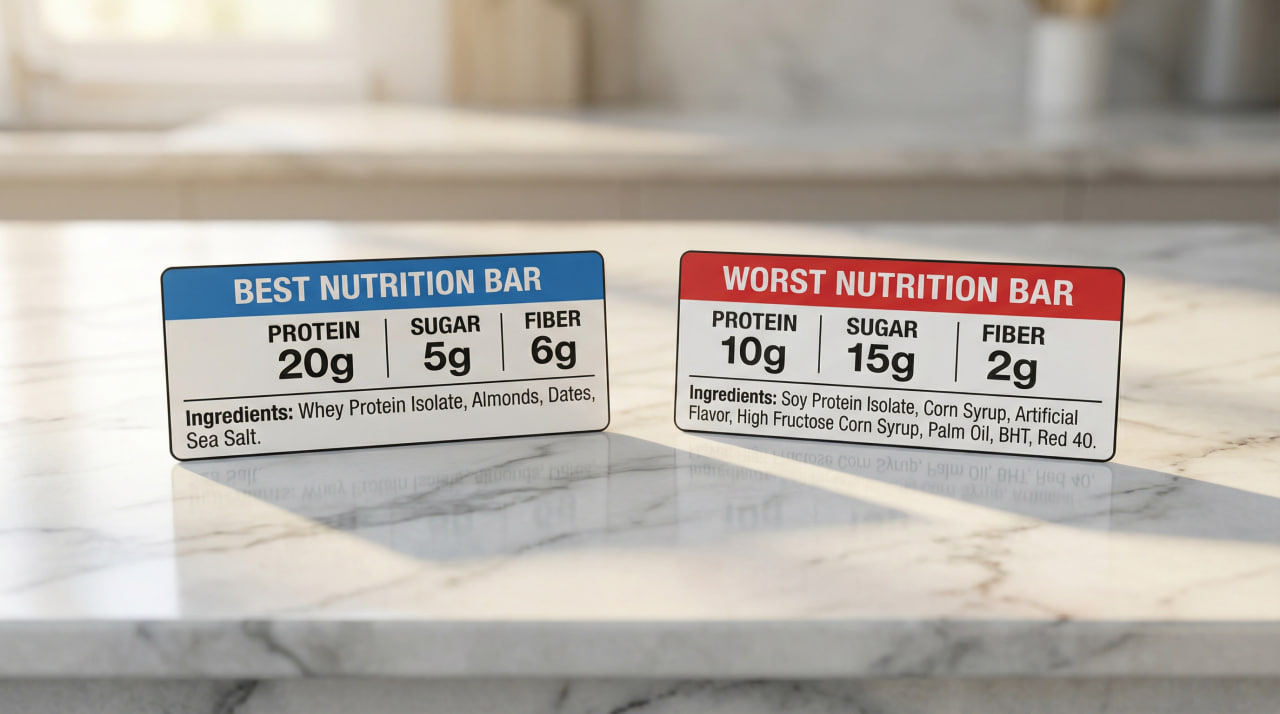
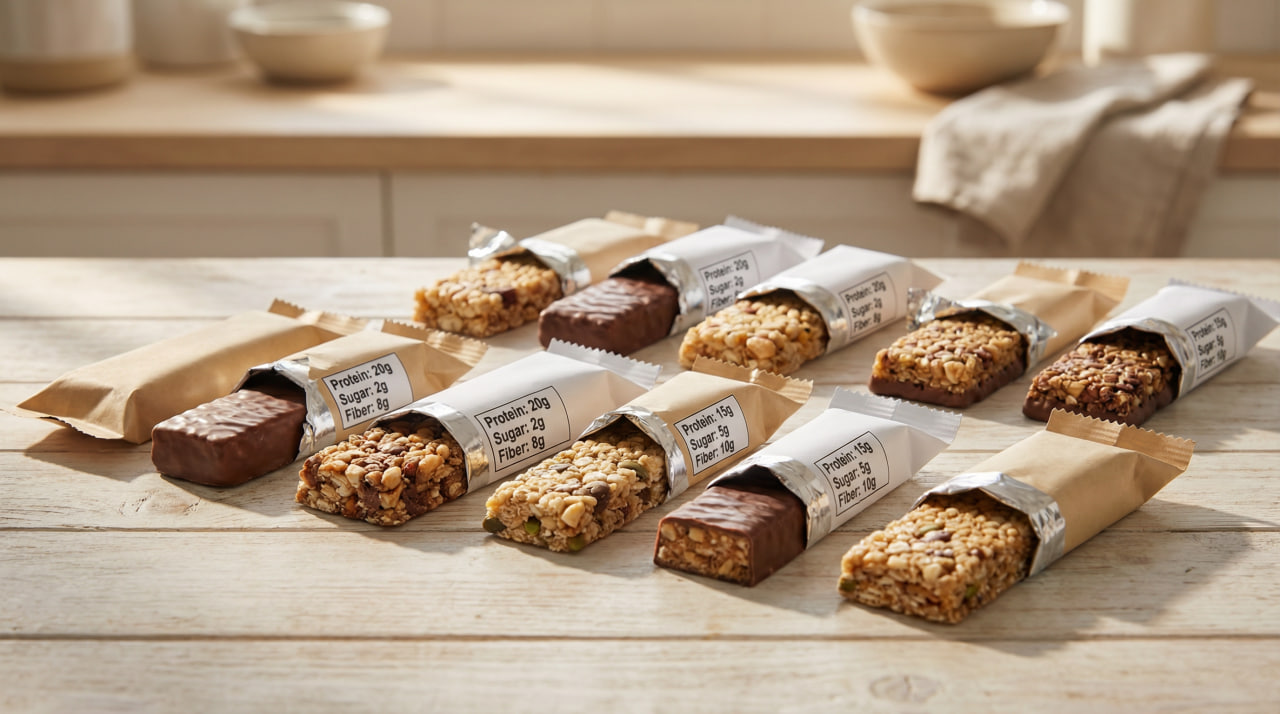
Spot the difference in seconds: Clean, goal-supportive bars vs hidden candy – read the label to win your goals 💪
How to Read a Protein Bar Label in 60 Seconds ⏱️
Ask yourself these five questions:
- Is protein at least 15g?
- Is sugar under 7g?
- Does fiber reach 5g or more?
- Are the fats primarily from nuts/seeds?
- Do I recognize most of the ingredients?
If it fails more than two → leave it on the shelf.
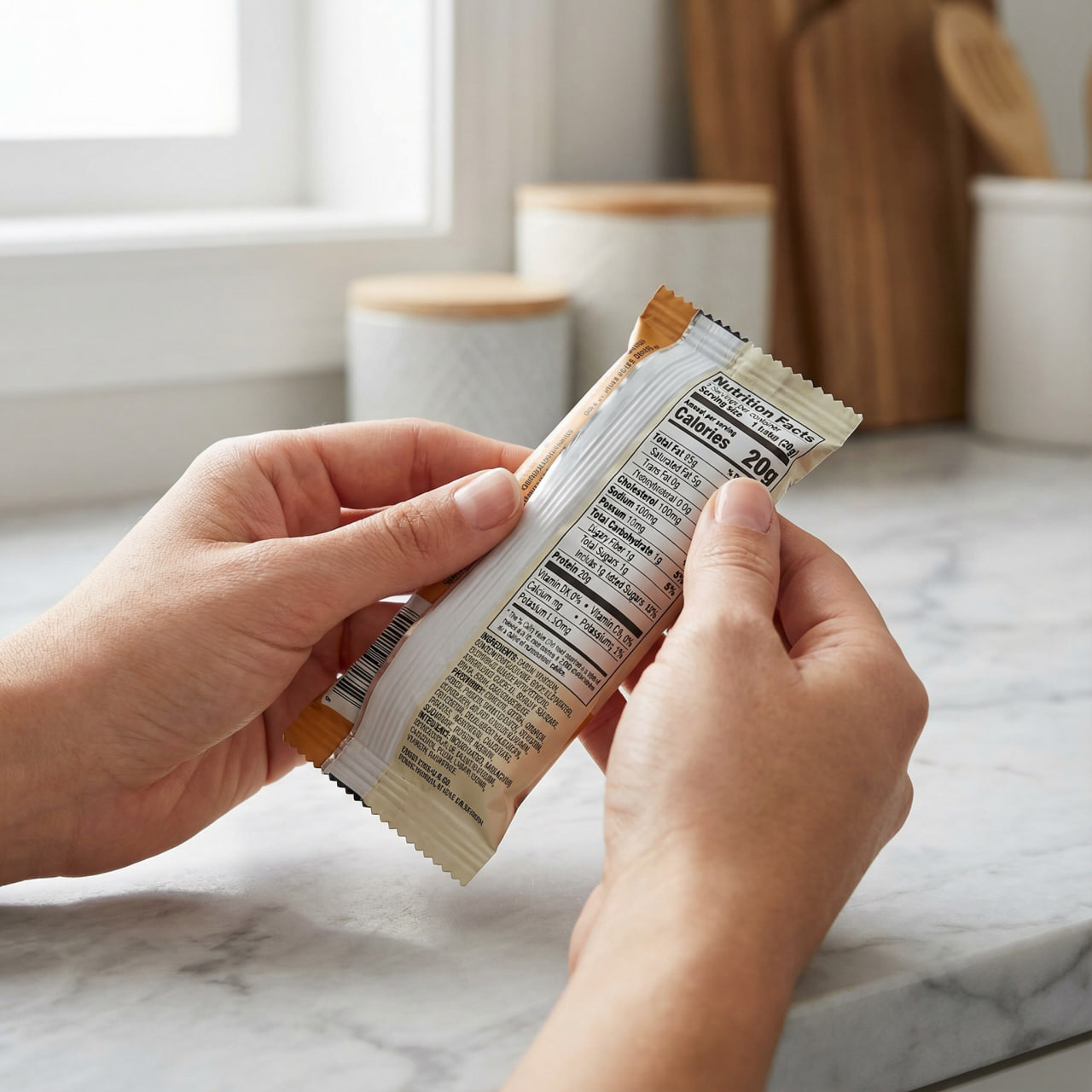
Your 60-second superpower: Scan the label for protein, sugar, fiber, and ingredients to pick bars that actually support your goals 📖💡
Who Should Use Protein Bars (and How Often)?
Protein bars work best for:
- Busy schedules
- Travel or on-the-go needs
- Post-workout or emergency situations
Most people benefit from:
- 1 bar per day maximum
- Using whole-food protein sources for the majority of intake
Protein bars are convenient tools—not dietary staples.
FAQ: Real Questions About Protein Bars
Are protein bars good for weight loss? Yes—when high in protein, low in sugar, and used strategically to control hunger.
Are they better than whole-food snacks? Not inherently. Whole foods provide superior micronutrients, but bars offer unmatched convenience and portion control.
Are plant-based bars cleaner? Not automatically. Some are excellent; others rely heavily on syrups and fillers. Always check the label.
Do protein bars spike insulin? Low-sugar, high-fiber versions have a milder glycemic impact than high-sugar options.
Can I eat protein bars daily? Yes, if macros and ingredients are solid—but rotate with whole foods for nutrient variety.
Final Takeaway: Choose Function Over Hype 🔑
The best protein bar:
- Keeps you full for hours
- Fits your calorie and macro goals
- Uses simple, quality ingredients
- Supports your lifestyle without derailing progress
The worst protein bar:
- Tastes like candy
- Spikes and crashes energy
- Leaves you hungry soon after
You don’t need the “perfect” bar—just one that actually delivers protein benefits, not dessert calories. Read labels, choose wisely, and let your results speak for themselves. 💪
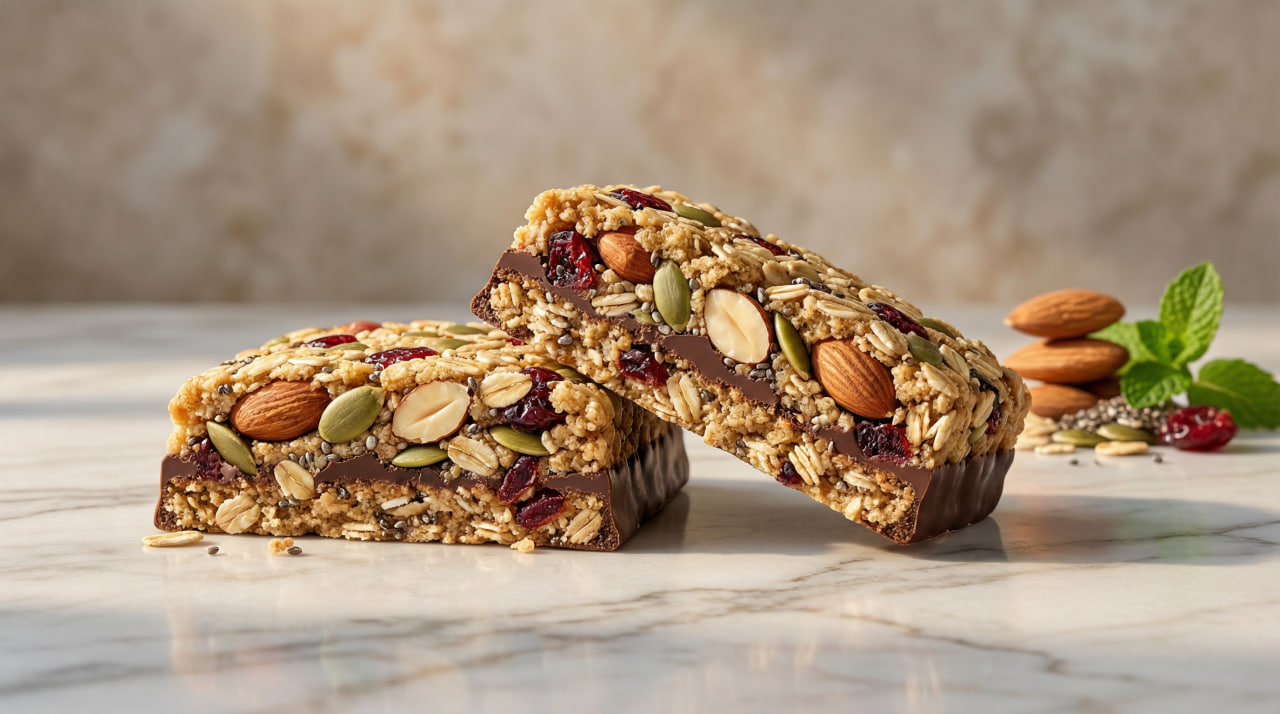
What a great protein bar looks like on the inside: Packed with real nuts, seeds, and oats – no fillers, just lasting fuel for your goals 🌰🔥