






Protein Snacks for Kids: Healthy, Balanced Choices That Support Growth 🍎
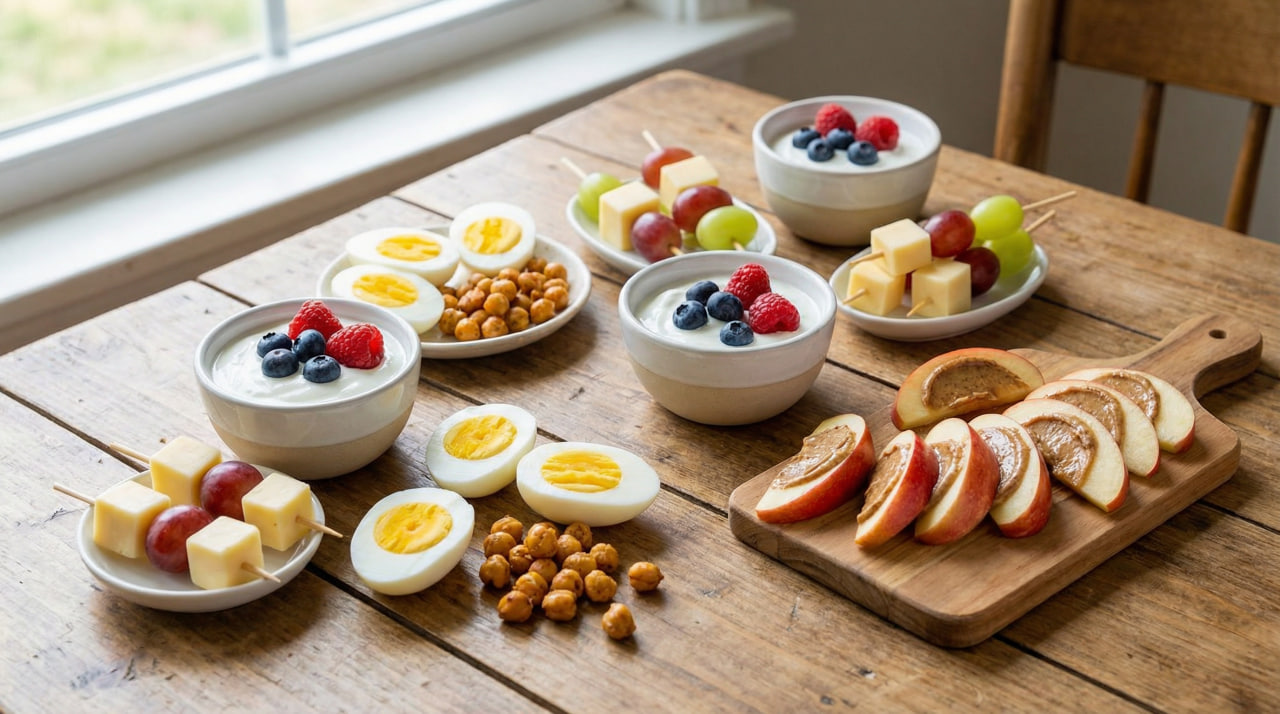
Simple, balanced protein snacks for kids that support growth and steady energy without excess sugar or processing.
Choosing the right snacks for children isn’t about maximizing protein or restricting calories. It’s about supporting growth, steady energy, and building positive eating habits that last a lifetime. Protein-containing snacks can play a valuable role—when they’re balanced, age-appropriate, and paired with whole foods.
This guide explains how to choose safe, nutritious protein snacks for kids, backed by pediatric nutrition guidelines and practical advice for busy parents.
Why Protein Matters for Children 🧠
Protein is essential during childhood for:
- Normal growth and tissue development
- Muscle and bone maintenance
- Enzyme and hormone production
- Helping kids feel satisfied between meals (reducing excessive grazing)
Most children easily meet their daily protein needs through a varied diet. According to the Recommended Dietary Allowance (RDA):
- Ages 1–3: about 13g per day
- Ages 4–8: about 19g per day
- Ages 9–13: about 34g per day
Including some protein in snacks helps stabilize blood sugar and energy, especially during long school days or active play. However, children do not need “high-protein” diets or supplements. They thrive on adequate, balanced intake alongside carbohydrates, healthy fats, vitamins, and minerals.
How Much Protein in a Snack? 📊
A good children’s snack doesn’t need to be protein-packed. Instead:
- Aim for a balanced combination of protein, complex carbs, and healthy fats
- A typical snack might provide 5–10g of protein—enough to support satiety without overwhelming small appetites
The goal is to complement meals, not replace them.
What Makes a Protein Snack “Kid-Appropriate”? ✅
Healthy protein snacks for children should be:
- Balanced (protein + carbs + fats)
- Minimally processed
- Low in added sugars
- Easy to chew and safe to swallow
- Appealing without being overly sweet
Think nourishing fuel, not disguised dessert.
Nutritious Protein Snack Categories for Kids 🥣
Focus on food categories rather than specific products for flexible, evergreen choices.
🥛 Dairy-Based Protein Snacks
Examples:
- Plain or lightly sweetened yogurt with fresh fruit
- Cottage cheese topped with berries or pineapple
- A small glass of milk with whole-grain crackers
Why they work:
- Provide high-quality protein plus calcium and vitamin B12
- Support strong bones and familiar flavors most kids enjoy
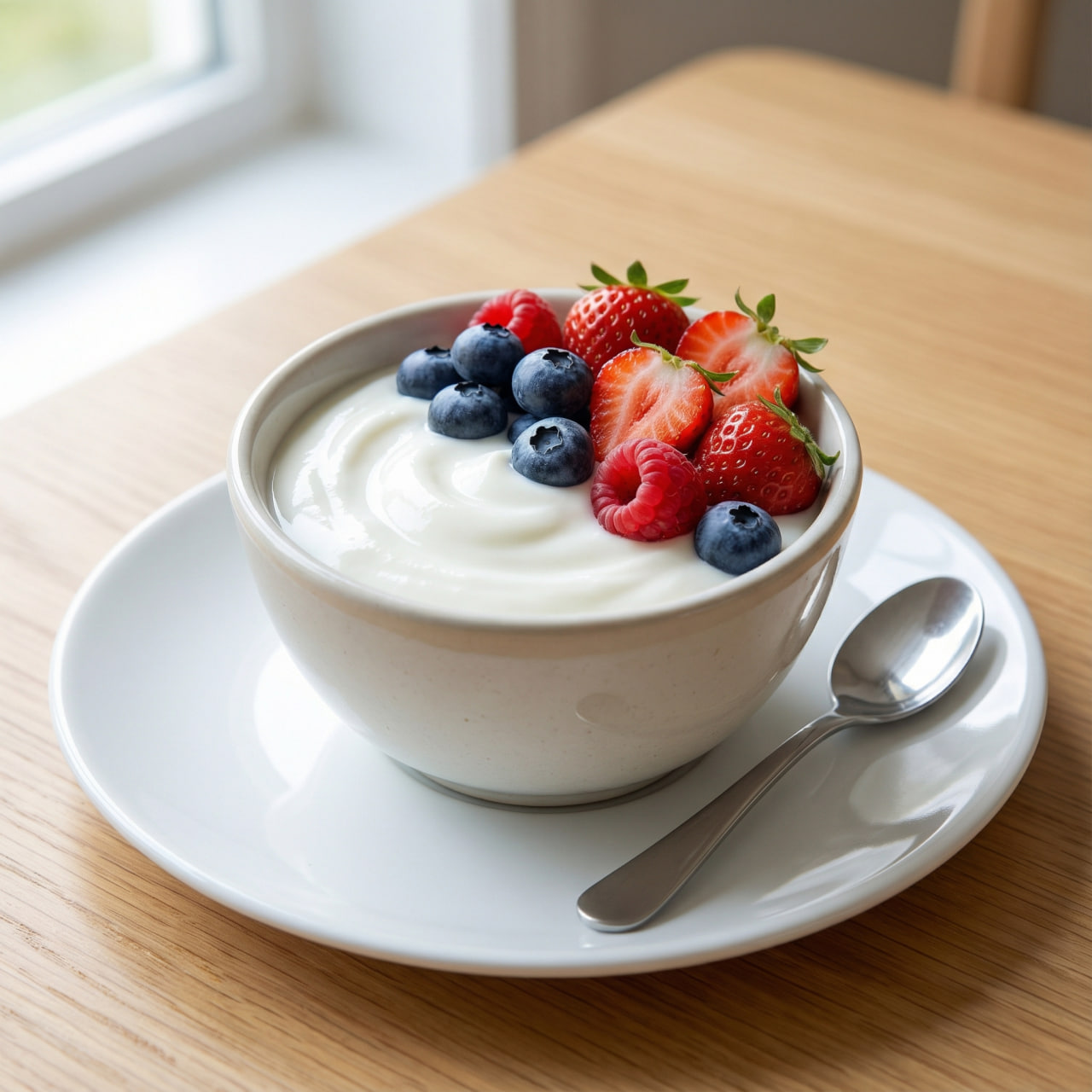
Plain yogurt with fresh berries is a creamy, calcium-rich protein snack that most kids love – naturally balanced and low in added sugar.
🥚 Egg-Based Snacks
Examples:
- Hard-boiled eggs (quartered for younger kids)
- Mini veggie egg muffins
- Egg salad on whole-grain bread
Benefits:
- Complete protein with choline for brain development
- Portable and easy to prepare ahead
🌰 Nut & Seed–Based Snacks (Age-Appropriate)
Examples:
- Thin layer of nut or seed butter on apple slices or toast
- Homemade energy bites with oats, seeds, and a touch of honey
- Sunflower seed butter for nut-free options
Important safety note:
- Whole nuts pose a choking risk under age 4–5
- Always use thin spreads and supervise young children
🧀 Cheese & Dairy Blends
Examples:
- Cheese cubes or strings with grapes or cherry tomatoes
- Cheese paired with whole-grain crackers
Why they help:
- Protein + fat combination promotes longer-lasting fullness
- Convenient for lunchboxes

Cheese paired with fresh fruit and veggies creates a fun, protein-rich snack that kids enjoy and parents love for its balance and portability.
🌱 Plant-Based Protein Snacks
Examples:
- Roasted chickpeas (lightly seasoned)
- Hummus with carrot sticks or pita
- Edamame pods (shelled for younger kids)
Benefits:
- Deliver protein with fiber for gut health
- Great for vegetarian or vegan families
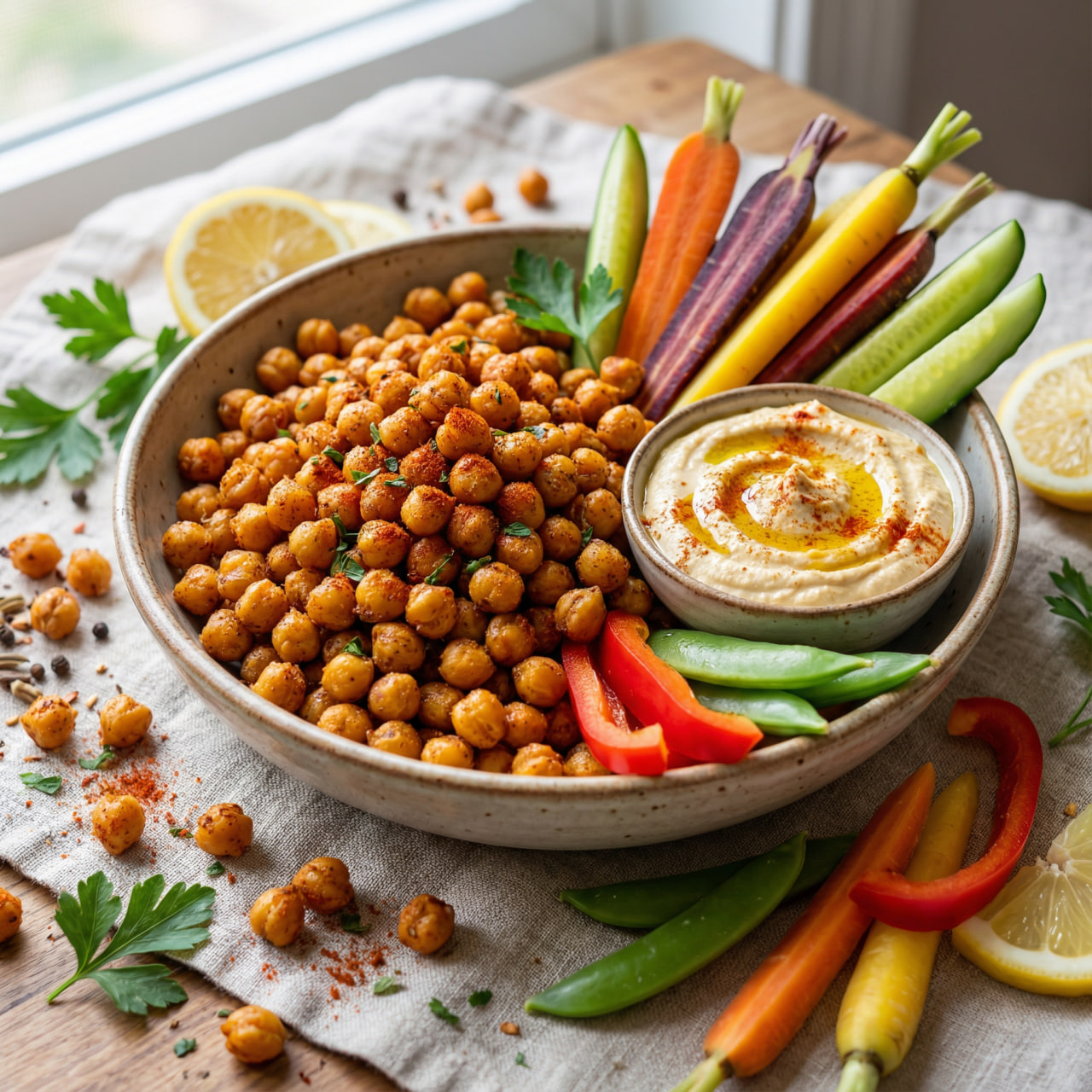
Roasted chickpeas and hummus with fresh veggies offer fiber-rich protein and fun crunch – a nutritious plant-based snack perfect for kids and great for vegetarian families.
Addressing Common Food Allergies 🛡️
Food allergies affect many children. The most common allergens include milk, eggs, peanuts/tree nuts, wheat, and soy. Always check with your pediatrician and read labels carefully.
Safe swaps:
- Milk allergy → fortified plant-based yogurt or cheese alternatives
- Egg allergy → legume-based dips (hummus) or tofu snacks
- Nut allergy → seed butters (sunflower, pumpkin) or soy butter (if no soy allergy)
- Multiple allergies → focus on naturally allergen-free options like fruit + roasted chickpeas or avocado on rice cakes
What to Limit or Avoid 🚨
Many products marketed as “high-protein” are not suitable for children. Be cautious with:
- Adult protein bars or powders
- Highly sweetened protein yogurts or drinks
- Snacks with long ingredient lists or artificial additives
- Anything containing added caffeine or stimulants
Kids benefit far more from simple, recognizable whole foods.
Store-Bought vs. Homemade Snacks 🏠
Both have a place:
Homemade:
- Full control over ingredients and sugar
- Helps children become familiar with real foods
- Saves time for busy days
- Convenient for school or travel
A realistic mix works best for most families.
Reading Labels for Kids’ Snacks 🔍
When buying packaged options:
- Choose short ingredient lists
- Look for little or no added sugars
- Prefer protein from whole-food sources
- Avoid artificial sweeteners, colors, or stimulants
Quick rule: If it doesn’t resemble a basic food group, it’s probably not ideal for daily use.
Safety and Overall Balance Come First 🌱
Remember:
- Snacks should never replace balanced meals
- Protein snacks are not for weight control in children
- Variety across all food groups matters most
What matters most is the overall eating pattern across the day—not individual snack choices.
Major health organizations (AAP, WHO, USDA) agree: diet quality and enjoyment trump macronutrient optimization in growing kids.
How Protein Snacks Fit into a Child’s Overall Diet
Protein snacks are just one piece of the puzzle. When chosen thoughtfully, they support steady energy and growth while contributing to a varied, enjoyable eating pattern that sets children up for lifelong healthy habits.
FAQ — Common Parent Questions
Are high-protein snacks safe for kids? Children don’t need “high-protein” snacks. Balanced snacks that include some protein are perfectly safe and supportive.
Can protein snacks help with focus at school? Yes—when paired with complex carbs, they help maintain steady energy and attention.
Are protein shakes appropriate for children? Generally no, unless specifically recommended by a doctor or dietitian for medical reasons.
How many protein snacks should kids have per day? Most children do well with 1–2 balanced snacks, depending on age, activity, and meal timing.
Are plant-based protein snacks sufficient? Absolutely—when varied and combined with other nutrient-rich foods.
Final Thoughts: Building Healthy Habits Early 🌟
Protein snacks for kids are about nourishment and joy, not numbers or perfection.
Choose options that are:
- Balanced
- Simple
- Safe and age-appropriate
These small choices help lay the foundation for strong bodies, steady energy, and a positive relationship with food that lasts a lifetime.
Whole foods come first. Variety matters most. Consistency beats perfection.

Protein snacks for kids are about nourishment and joy – simple choices that help build strong bodies and a lifelong love of healthy food.