







The Ultimate Guide to Meal Replacement Shakes 🍽️🥤
Key takeaways ✅
-
Meal replacement (MR) shakes can be an effective tool for weight loss, convenience, and nutritional control when used correctly.
-
Choose products based on calories, protein, fiber, sugar, ingredient quality and whether you need RTD (ready-to-drink) or powder. (See comparison table.)
-
For short-term intensive programs (e.g., total diet replacement) medical supervision is advised — partial MR plans (1–2 meals/day) are commonly effective and sustainable.
Introduction
Meal replacement shakes — powdered mixes or ready-to-drink bottles — are designed to replace a meal while delivering a controlled balance of calories, protein, carbs, fats, vitamins and minerals. People use them to save time, manage calories for weight loss, ensure consistent nutrition during travel, or for clinical programs (e.g., type 2 diabetes remission initiatives). They are a tool, not a food ideology — used well they help; used poorly they become an expensive snack.
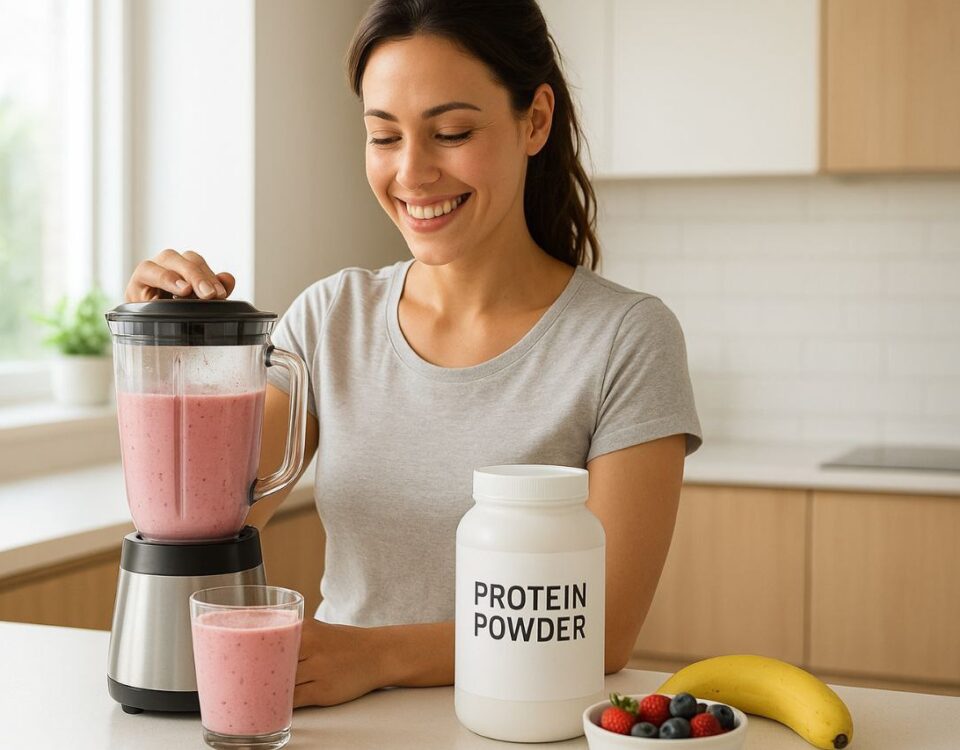
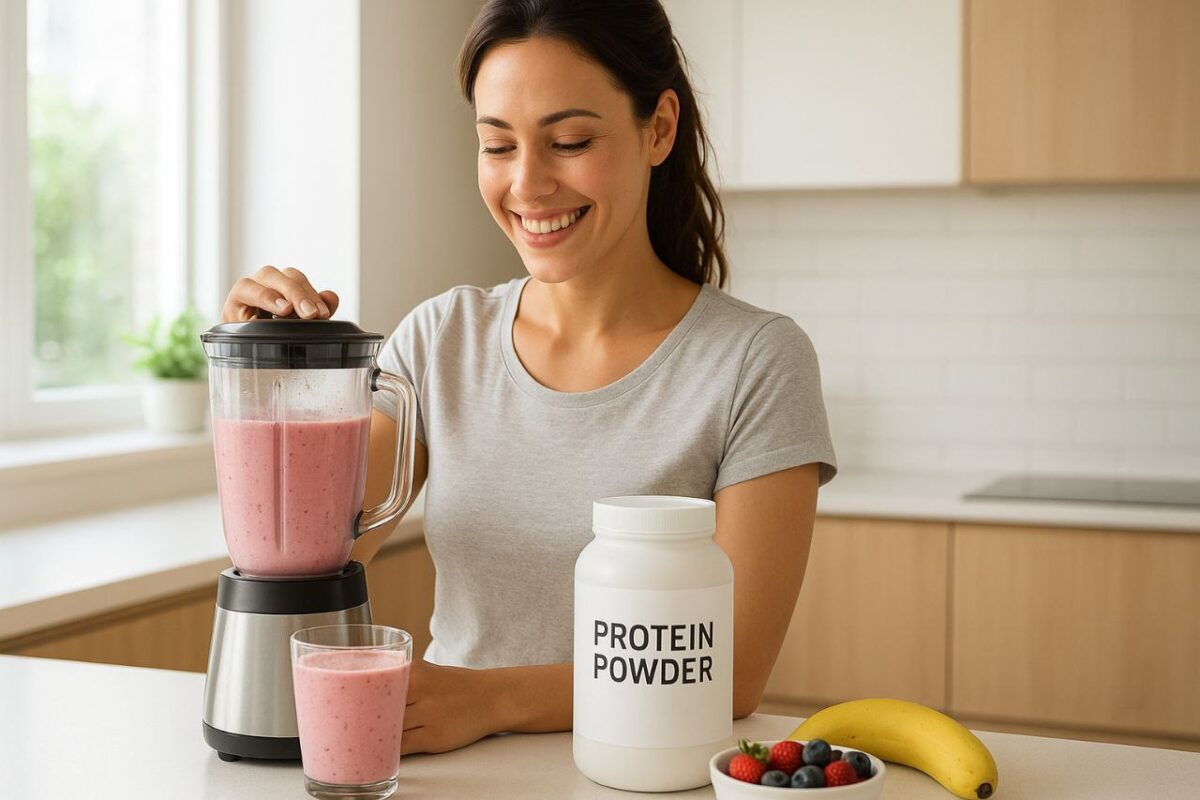
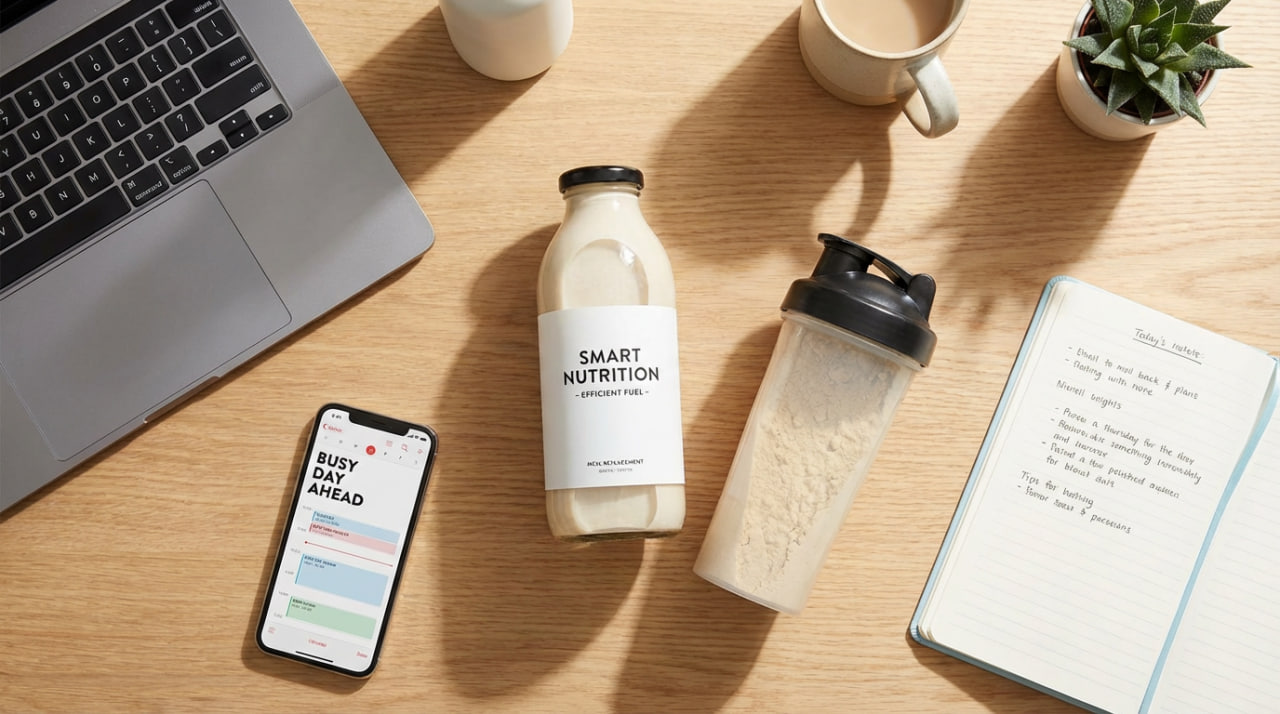
Fuel your busy days with smart nutrition – a complete meal replacement shake ready in seconds.
Quick comparison — top picks (RTD & powder)
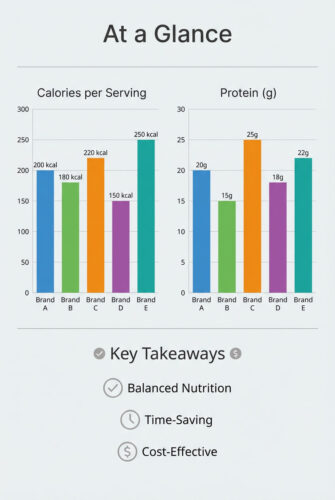
| Brand (example SKU) | Serving size | Calories | Protein | Where it shines | Caveats |
|---|---|---|---|---|---|
| Huel Ready-to-Drink (RTD) | 1 bottle | 400 kcal | ~35 g | High-protein, nutritionally “complete”, vegan. Great satiety. | Some flavors contain sweeteners; bundled packaging. |
| Soylent Drink (Original) (RTD) | 14 fl oz | ~400 kcal | ~20 g | Balanced macros, widely available; affordable. | Lower protein vs Huel; contains oils for fats. |
| Ample (Original / 400 kcal) (RTD/powder) | 1 serving | ~400 kcal | ~25 g | Real-food focus, prebiotics/probiotics, low net carbs option. Good for gut support. | Pricier; higher fat formulations exist. |
| Orgain Organic Nutrition Shake (RTD) | 1 bottle | ~250 kcal | ~16 g | Organic ingredients, lower calories — good light meal/snack. | Lower protein if you need a full meal replacement. |
| SlimFast High Protein (RTD) | 1 bottle | ~180–200 kcal | ~20 g | Low-calorie, high protein option for weight-management plans. | Often formulated as part of a structured plan; single bottle may be light as a full meal. |
Note: product formulas sometimes change. Always check the nutrition label on the pack you buy. (Sources: product pages and recent reviews.)
Quick comparison of popular meal replacement shakes: find the right balance of calories, protein, and value.
How meal replacement shakes work (simple science)
-
Energy control: By replacing a variable plate of food with a fixed-calorie shake you reduce day-to-day calorie variability—this helps weight loss.
-
Protein & satiety: Higher protein (≥20–30 g/serving) increases fullness and helps preserve lean mass during weight loss. (Aim for 25–40 g in a full MR if you’re using it as the primary meal.)
-
Micronutrient fortification: Many MRs are fortified to prevent micronutrient gaps when used regularly. Check labels if you plan frequent use.
Scientific evidence (concise & citable)
-
Systematic review & meta-analysis: Astbury et al., 2019 (Obesity Reviews) — programs with meal replacements produced greater weight loss at 1 year than comparator diets.
-
Clinical trials: Partial MR strategies (1–2 MR per day) show meaningful weight and fat-mass reductions; total diet replacements can produce rapid weight loss under supervision. (Heymsfield et al., 2003; Chen et al., 2024 — Nutrients).
-
Implementation evidence: NHS “soup & shake” diabetes remission program showed clinically significant remission rates when run as a structured, supervised total diet replacement. This highlights that structure/support matters.
Who benefits most — and who should be careful
Good candidates
-
Busy professionals needing reliable nutrition.
-
People doing partial MR for weight-control (1–2 meals/day).
-
Those starting a medically supervised intensive program.
Be cautious / see a clinician
-
Pregnant or breastfeeding people.
-
Children and adolescents (specialist care required).
-
People with kidney disease or on medications requiring dietary supervision.
-
Anyone considering multi-month total diet replacement without supervision.
How to pick the right MR shake — checklist
-
Calories per serving — aligns with your meal calorie target (200–600 kcal depending on use).
-
Protein — aim 20–40 g for a full meal replacement (higher for active people).
-
Fiber — ≥3–6 g helps satiety.
-
Sugar & additives — watch added sugars and artificial sweeteners if sensitive.
-
Ingredient quality — whole-food ingredients vs isolates; organic options if that matters to you.
-
Price & availability — cost per serving and where you’ll reliably buy it.
-
Third-party testing — useful for athletes or when purity is critical.
Common mistakes (and how to avoid them)
-
❌Mistake: Treating MR as a permanent replacement for all meals.
✅Fix: Use for convenience or a planned program and transition back to whole foods for long-term diet quality. -
❌Mistake: Choosing low-calorie RTD with too little protein — ends up as a snack.
✅Fix: Match MR macros to your needs; add protein powder or a side (e.g., boiled egg) if needed. -
❌Mistake: Not reading labels — hidden sugars, low fiber, or micronutrient gaps.
✅Fix: Compare nutrition facts (see table above) and pick fortified formulas if you use them often.
Alternatives & substitutions
-
DIY shake: whey or plant protein + oats + milk + nut butter + greens = affordable, whole-food style MR. (Use USDA FoodData Central for exact macros when you calculate.)
-
Bars: portable but check sugar & protein density.
-
Light MR (snack-style): choose lower-calorie RTDs (e.g., SlimFast) if you’re aiming for calorie cycling.
Sample 3-day meal plan (partial MR approach) 🗓️
Goal: maintain ~1800 kcal/day with one MR lunch per day (example). Adjust to your needs.
Day 1
-
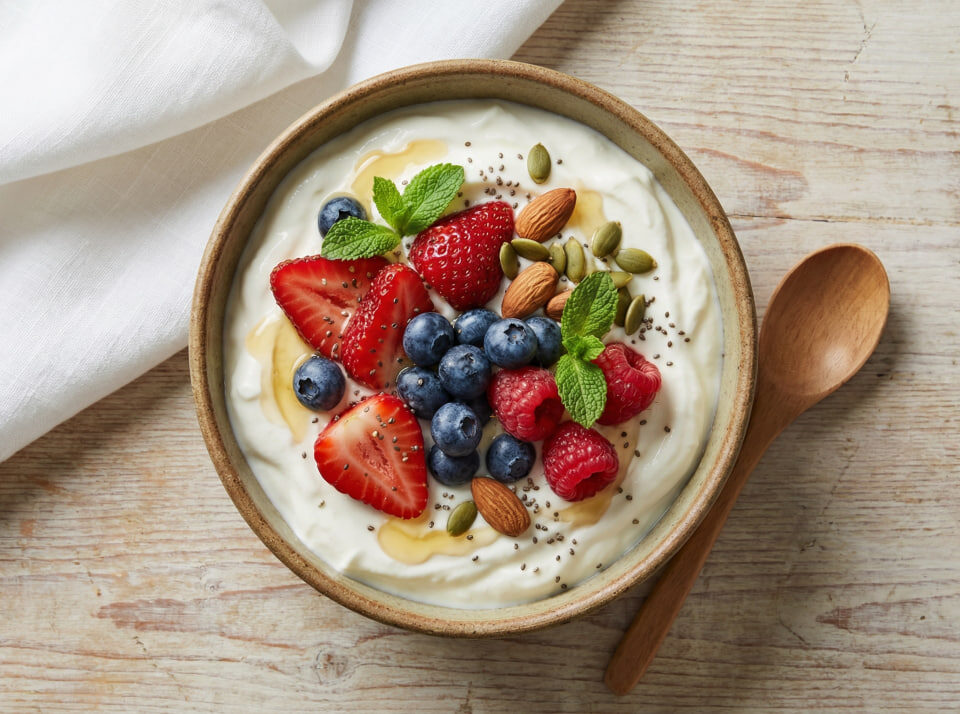
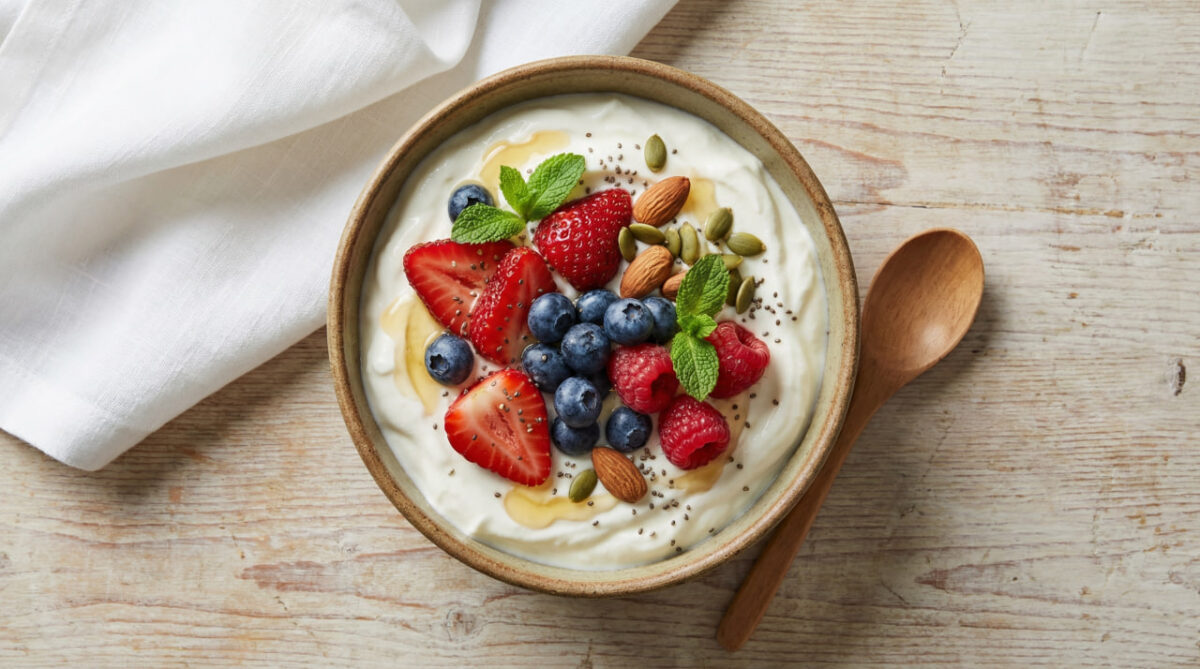
Breakfast: Greek yogurt + berries + 20 g granola (400 kcal)
-
Lunch: Huel RTD (400 kcal, 35 g protein) — is the meal replacement.
-
Dinner: Salmon, quinoa, roasted veg (550 kcal)
-
Snacks: apple, almonds (approx. 450 kcal)
Day 2
-
Breakfast: Oat porridge + whey (500 kcal)
-
Lunch: Ample 400 kcal bottle (25 g protein) + water.
-
Dinner & snacks: balanced whole-foods evening (total ~900 kcal)
Day 3
-
Breakfast: Smoothie (spinach, banana, protein powder) (450 kcal)
-
Lunch: Orgain RTD (250 kcal) + a boiled egg (70 kcal) — combined makes ~320 kcal light meal.
-
Dinner & snacks: adjust to meet daily target.
Shopping list (basic — adapt by preference)
-
Huel Ready-to-Drink or powder
-
Soylent RTD or powder (if liked)
-
Ample bottles or canister (if you want real-food formula)
-
Orgain RTD (for lighter options)
-
Whey isolate (unflavored or chocolate) for DIY boosts
-
Oats, nut butter, frozen berries, milk/plant milk, eggs, olive oil, leafy greens
Prep tips
-
If you use powder: measure servings into single-serve bags for travel.
-
Keep RTD bottles chilled; check “best before” and recycle packaging responsibly.
-
Combine lower-protein RTD with a small, high-protein side (e.g., Greek yogurt, boiled egg) to reach desired protein.
FAQ (short)
❓Q: Can MR shakes preserve muscle during weight loss?
A: Yes — when total protein intake is adequate and combined with resistance exercise, MR-based plans can help preserve lean mass. Clinical trials show benefit when protein is sufficient.
❓Q: Are MR shakes safe daily?
A: Short-term daily use is usually safe for healthy adults if the product is fortified; for long-term exclusive use consult a dietitian or clinician.
❓Q: Which is better: RTD or powder
A: RTD = convenience; powder = cheaper/less packaging and flexible macros. Choose based on lifestyle.
Final practical checklist before you buy
-
Read label: calories, protein, fiber, sugar.
-
Match serving to your meal target (200–600 kcal).
-
If using as main meal, aim ≥20–30 g protein.
-
Check for medical contraindications if you have chronic disease.
-
Prefer products with transparent ingredient lists and, if important, third-party testing.
References & product sources
-
Huel Ready-to-Drink product & formula pages. Huel
-
Soylent Ready-to-Drink product page (nutrition facts). Soylent
-
Orgain Organic Nutrition Shake product info & retailer listings. Orgain
-
Ample product pages and reviews (Ample Original 400 kcal). Ample Foods
-
SlimFast High Protein RTD pages & nutrition facts. Shop SlimFast
-
Systematic reviews & trials on meal replacements (Astbury 2019, , Chen 2024). PMC2NCBI
-
NHS “soup & shake” diabetes remission reporting. The Guardian