






Top 10 Whole-Food Protein Sources Ranked
The Best Practical Options for Everyday Health and Fitness 💪
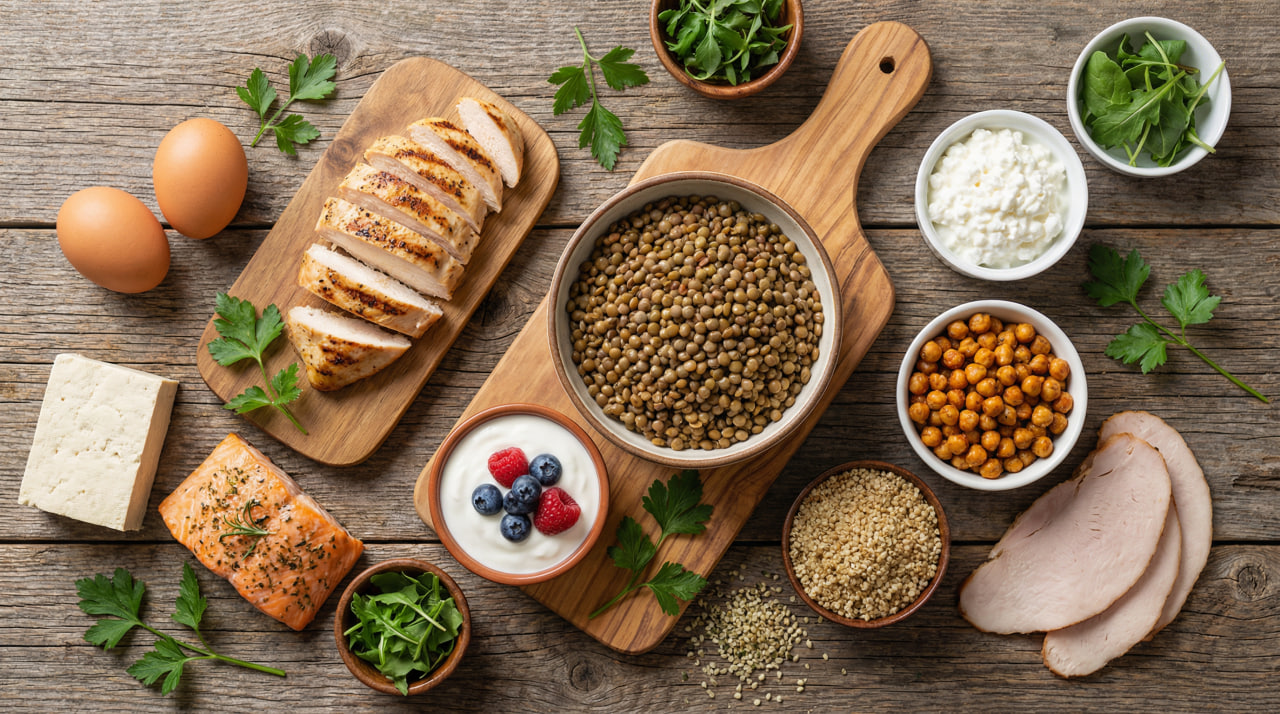
A colorful spread of the best whole-food protein sources: from lean meats and fish to plant-based options like lentils, tofu, and quinoa
Many people turn to protein powders, shakes, or heavily marketed bars when trying to increase their protein intake. In reality, the most effective, affordable, and nutritionally valuable protein sources come from simple whole foods.
Whole foods don’t just deliver protein—they also provide essential vitamins, minerals, fiber, and bioactive compounds that support long-term health, satiety, and metabolic function.
This ranking is evidence-based and practical. Foods were evaluated using five key criteria:
-
Protein per realistic serving size
-
Protein per 100 calories (important for fat loss or calorie control)
-
Protein quality and digestibility (complete amino acid profile, bioavailability)
-
Satiety and nutrient density (how filling it is + additional health benefits)
-
Accessibility, cost, versatility, and ease of regular use
Nutrient values are approximate and based on USDA FoodData Central and peer-reviewed nutrition research. Values refer to cooked or prepared foods.
Important Disclaimer ⚠️
This guide provides general nutrition information and is not personalized medical advice. Protein needs vary depending on age, activity level, health status, and goals.
Individuals with specific conditions should consult a healthcare professional, including those with:
-
Chronic kidney disease (protein restriction may be necessary)
-
Gout (some high-purine foods may need moderation)
-
Food allergies (dairy, soy, eggs, fish)
-
Lactose intolerance
Cooking method matters. Favor grilling, baking, steaming, poaching, or roasting to preserve nutrients and control calories. Limit frequent deep-frying or heavy sauces.
🥇 1. Chicken Breast (Skinless, Cooked)
Protein: ~31g per 100g
Protein per 100 calories: ~18–19g
Chicken breast ranks first due to its exceptional protein density, complete amino acid profile, and high digestibility. It is widely available, easy to portion, and affordable in most regions.
Why it ranks #1:
Minimal fat, excellent protein efficiency, and strong support for muscle repair and maintenance.
Best for:
Fat loss, muscle building, meal prep. Best cooked by grilling or baking.
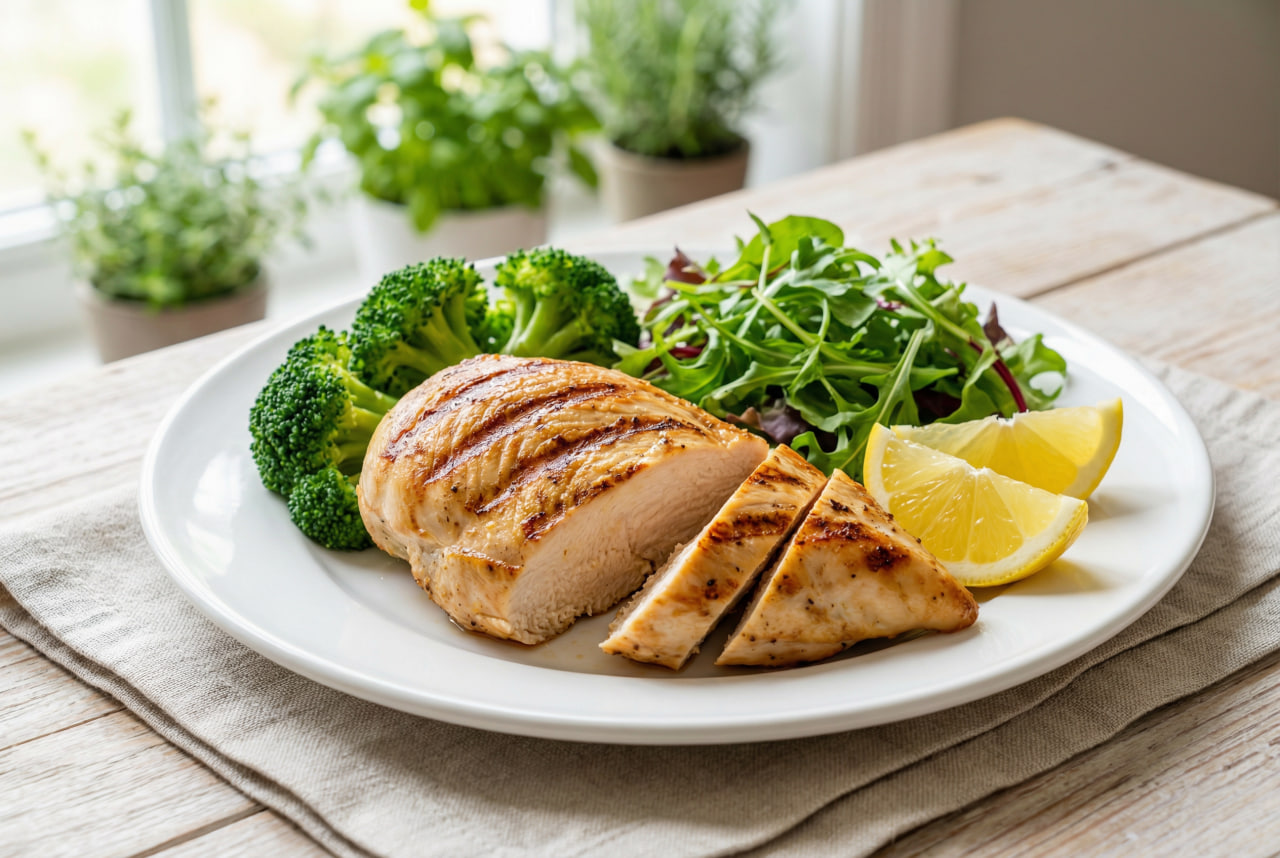
Grilled skinless chicken breast – the top-ranked whole-food protein source for muscle building and fat loss
🥈 2. Lentils (Cooked)
Protein: ~18g per cup
Protein per 100 calories: ~7–8g
Lentils are one of the most cost-effective protein sources available. While lower in protein density than animal foods, their fiber content significantly boosts satiety.
Why they rank high:
Budget-friendly, shelf-stable, rich in iron and folate. Pairing with grains improves amino acid balance.
Best for:
Plant-based diets, digestive health, affordable meals.
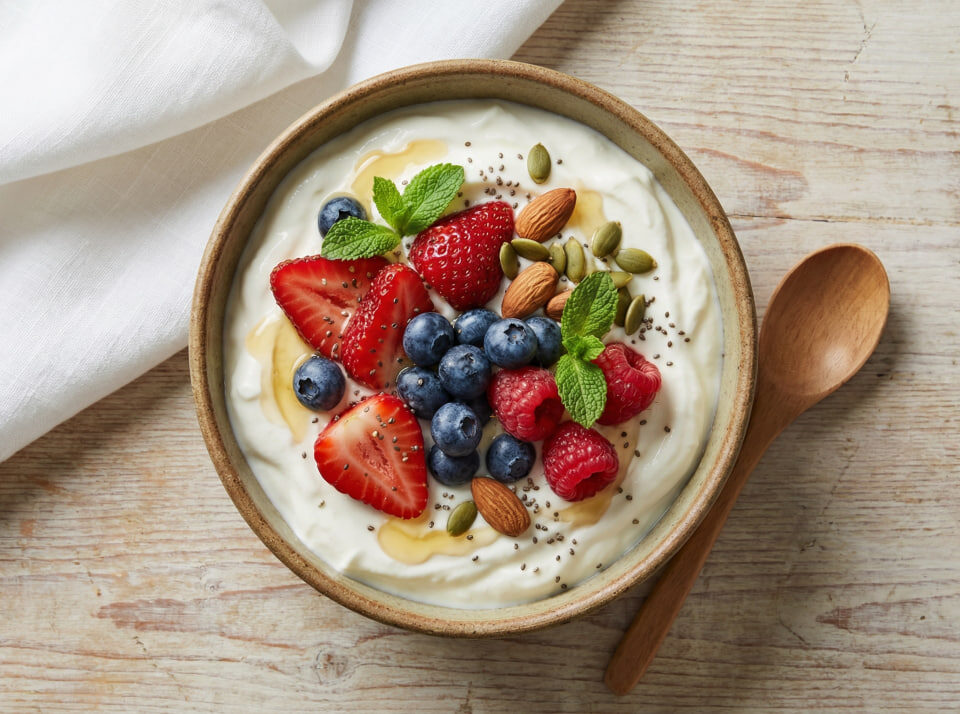
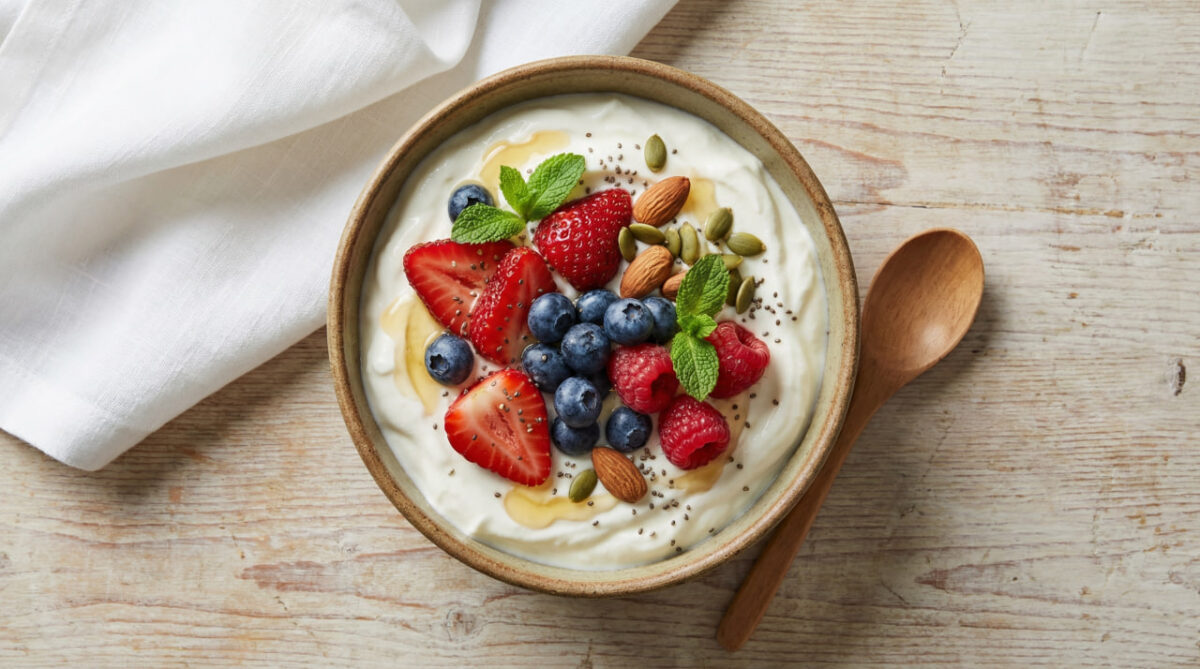
🥉 3. Greek Yogurt (Plain, Low-Fat or Nonfat)
Protein: ~17–20g per 170g serving
Protein per 100 calories: ~10–12g
Greek yogurt is strained to concentrate protein, providing both fast-digesting whey and slow-digesting casein.
Why it shines:
High protein density, probiotics, calcium, and excellent satiety when tolerated.
Best for:
Snacks, breakfast bowls, post-workout recovery.
4. Eggs (Whole)
Protein: ~6–7g per large egg
Protein per 100 calories: ~8g
Eggs offer one of the most complete and bioavailable protein profiles known, along with choline and antioxidants important for brain and eye health.
Why they remain strong:
Affordable, quick to prepare, and extremely versatile.
Best for:
Breakfasts, salads, and balanced meals. Boiling or poaching keeps calories controlled.
5. Tofu (Firm)
Protein: ~20g per 150g
Protein per 100 calories: ~11g
Tofu provides complete soy protein with minimal saturated fat and excellent versatility.
Why it matters:
Strong vegan option with heart-friendly compounds and good digestibility.
Best for:
Stir-fries, grilling, or scrambling (avoid if soy-allergic).
6. Fish (Salmon, Tuna, Cod, Sardines)
Protein: ~20–25g per 100g
Protein per 100 calories: ~14–16g
Fish delivers complete protein alongside omega-3 fatty acids that support heart, brain, and joint health.
Why it ranks here:
Unique combination of protein and anti-inflammatory fats.
Best for:
Overall wellness, recovery, and cardiovascular health.
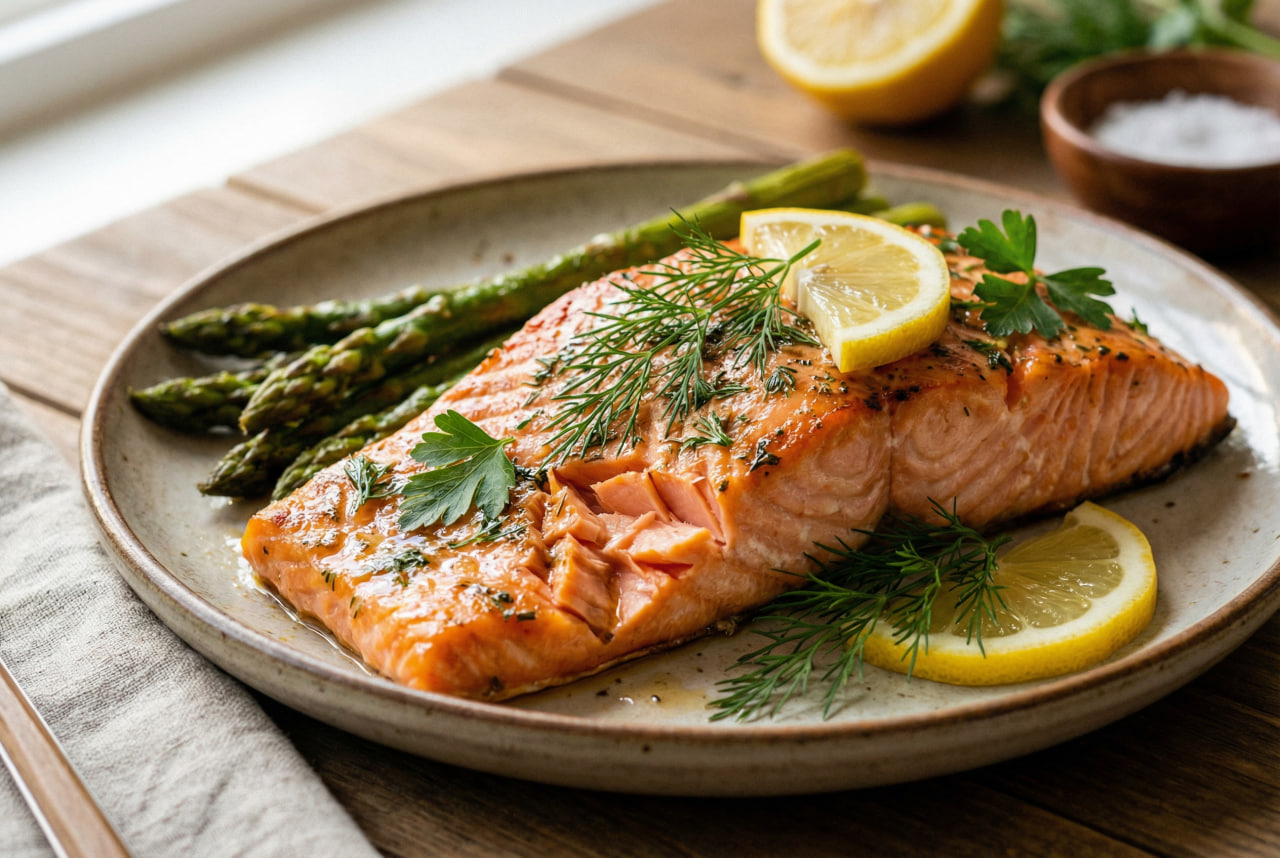
Flaky baked salmon with fresh herbs and asparagus – a nutrient-dense protein packed with heart-healthy omega-3 fatty acids.
7. Cottage Cheese (Low-Fat, Plain)
Protein: ~14g per ½ cup
Protein per 100 calories: ~11–12g
Primarily composed of casein, cottage cheese releases amino acids slowly over time.
Why it’s valuable:
Very filling relative to calories and ideal for sustained protein availability.
Best for:
Evening snacks or overnight muscle support.
8. Chickpeas (Cooked or Roasted)
Protein: ~15g per cup
Protein per 100 calories: ~6g
Chickpeas provide protein plus significant fiber, supporting gut health and steady energy.
Why they’re solid:
Versatile, satisfying, and easy to integrate into many cuisines.
Best for:
Salads, bowls, or lightly roasted snacks.
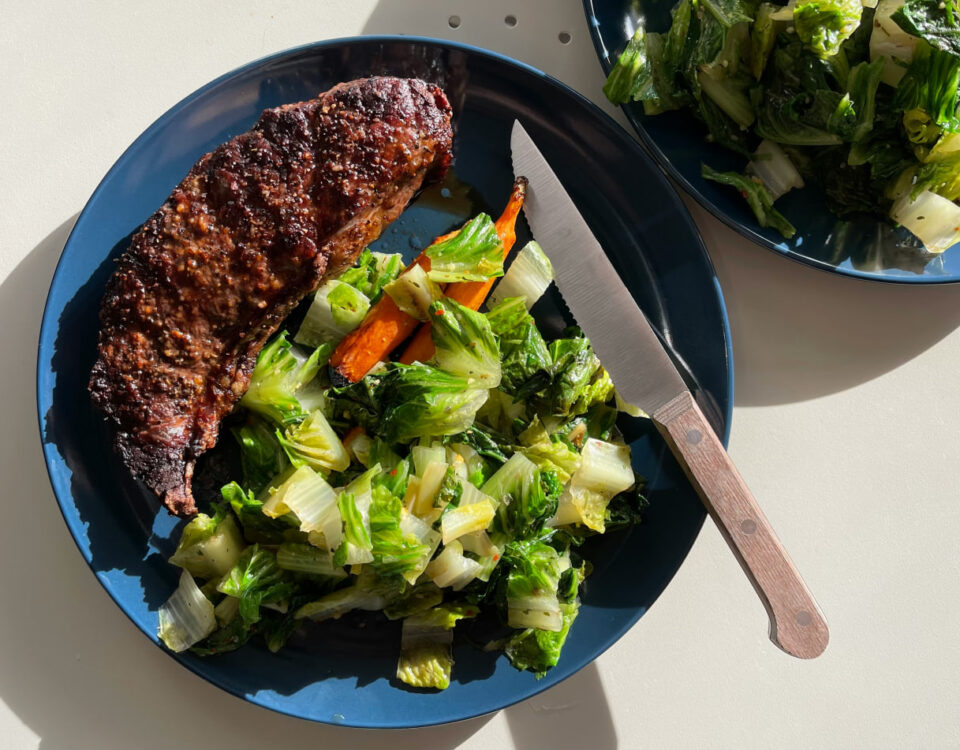
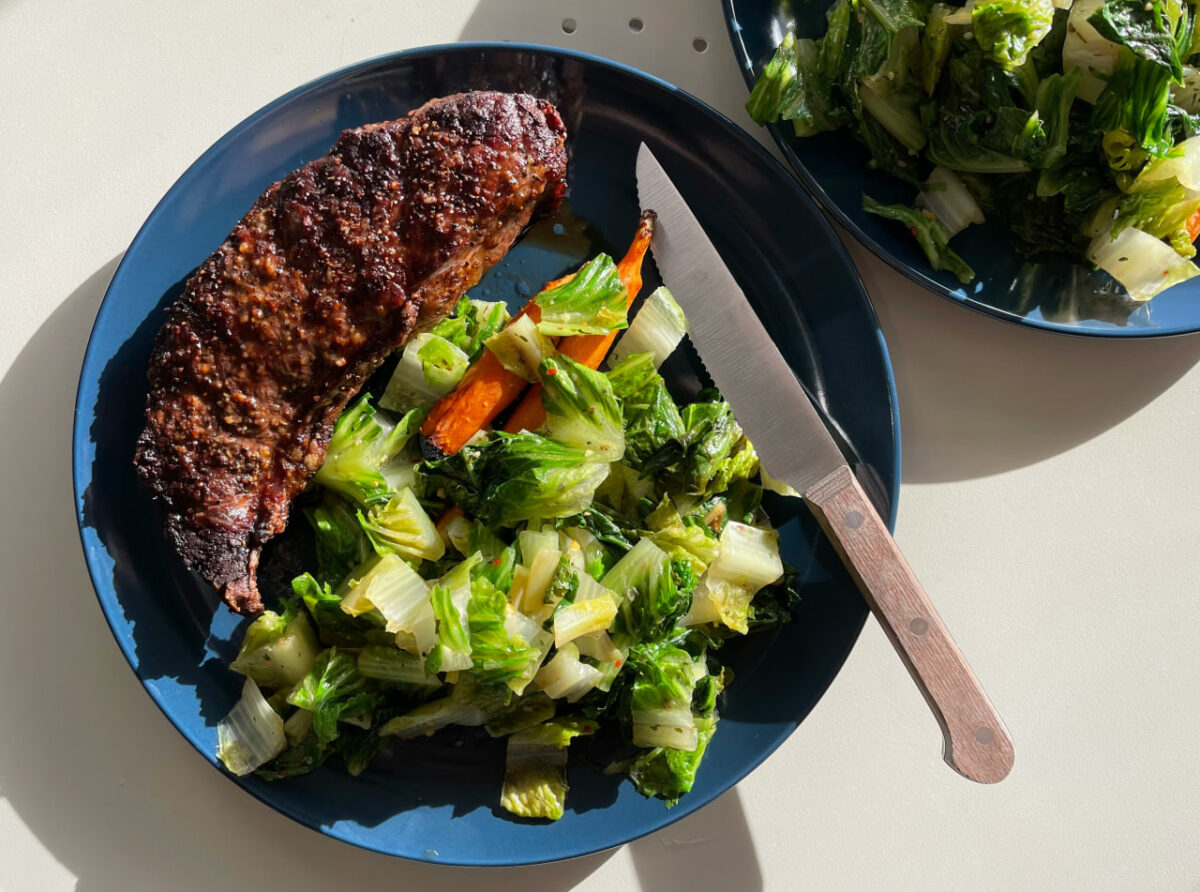
9. Lean Turkey Breast or Lean Beef
Protein: ~25–29g per 100g
Protein per 100 calories: ~14–16g
These meats are rich in highly bioavailable iron, zinc, and vitamin B12.
Why they’re included:
Useful for individuals with higher iron needs, but best consumed in moderation.
Best for:
Active individuals or those at risk of iron deficiency.
10. Quinoa or Hemp Seeds
Protein:
-
Quinoa: ~8g per cooked cup
-
Hemp seeds: ~10g per 3 tablespoons
Both provide complete plant proteins, with hemp seeds also offering omega-3 fats.
Why they round out the list:
Excellent for variety and plant-based balance, though less protein-dense.
Best for:
Supporting vegan diets and adding diversity.
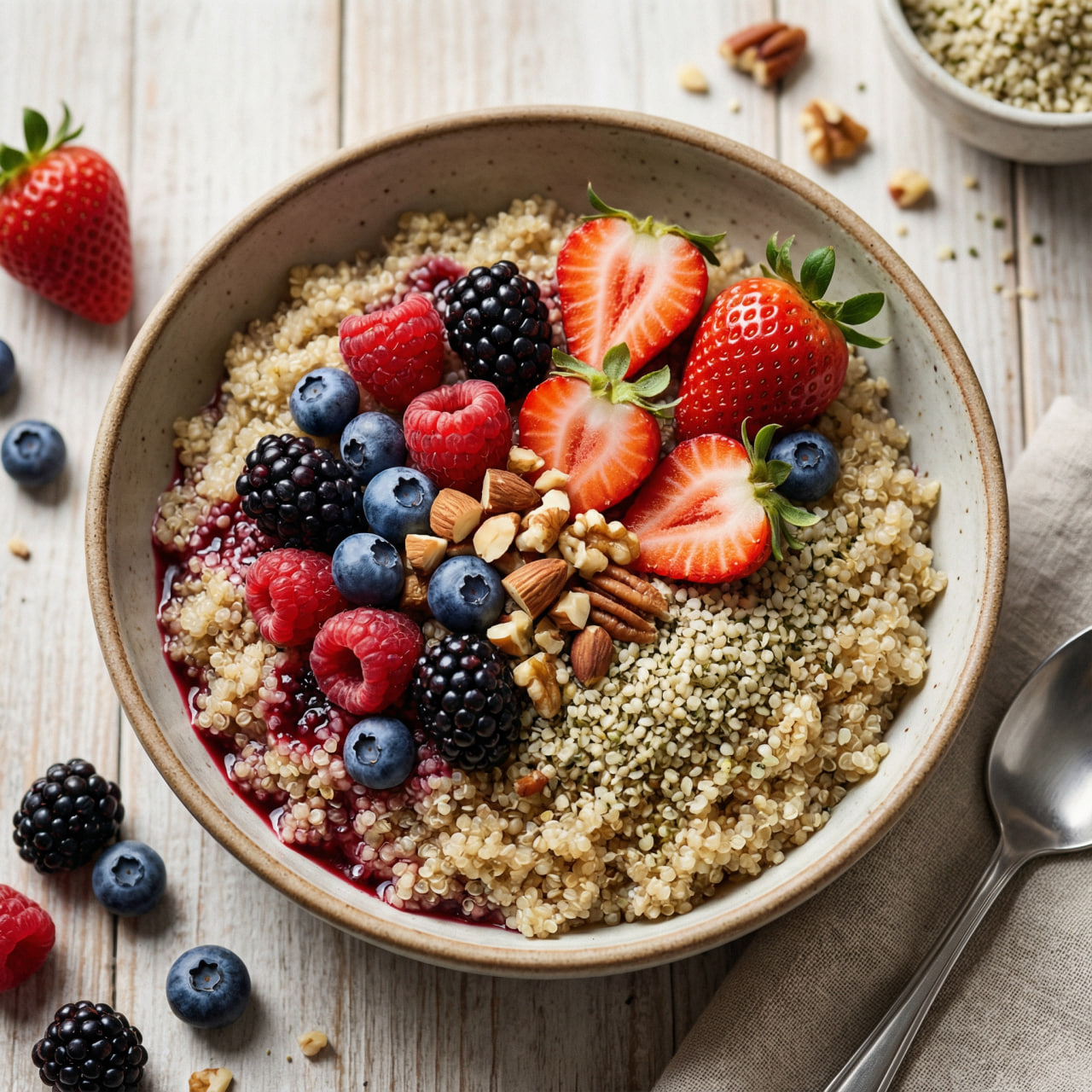
Vibrant quinoa bowl loaded with hemp seeds and fresh berries – a delicious complete plant protein option for variety and gluten-free diets.
Animal vs. Plant Proteins: A Balanced Perspective 🌱🍖
Animal proteins generally offer higher density, faster absorption, and greater leucine content—useful for muscle protein synthesis.
Plant proteins contribute fiber, antioxidants, lower cost, and potential long-term metabolic benefits.
A mixed approach—or a well-planned plant-based strategy—can be equally effective.
Considerations for Specific Groups
Older adults:
Aim for 1.2–1.6g protein/kg body weight, with 25–30g per meal from easy-to-digest sources.
Athletes:
Strength training often benefits from 1.6–2.2g/kg daily, while endurance athletes benefit from protein combined with carbohydrates.
Rotating protein sources improves micronutrient coverage and long-term adherence.
How to Apply This in Real Life ✅
-
Build meals around one primary protein source
-
Add fiber-rich carbohydrates and healthy fats
-
Prepare in batches and keep flavors simple
-
Avoid relying solely on protein grams—satiety and calories matter
Bottom line: You don’t need powders or gimmicks to meet your protein needs.
Choose whole foods, rotate your sources, and focus on consistency—not perfection.
True progress comes from sustainable habits repeated over time. Pick a few favorites from this list, master simple preparation, and let the results build naturally. 💪